Metal Roofs and Shingle Repair in Miami County, OH (45373)
From Troy (45373) and Piqua to Tipp City, West Milton and the farm roads around Covington, we install and repair metal and shingle roofs across Miami County on homes, barns and outbuildings.
- ZIP 45373
- Answered 24/7
- Miami County
In Miami County, typical Dayton-area shingle repairs run $295 to $1,230, and a full asphalt reroof on a ranch or two-story usually costs $8,840 to $24,670 depending on size. Standing seam metal on a farmhouse or newer home generally runs $17,960 to $39,380. Barn and pole building roofs are priced by panel type, fastener system and square footage.
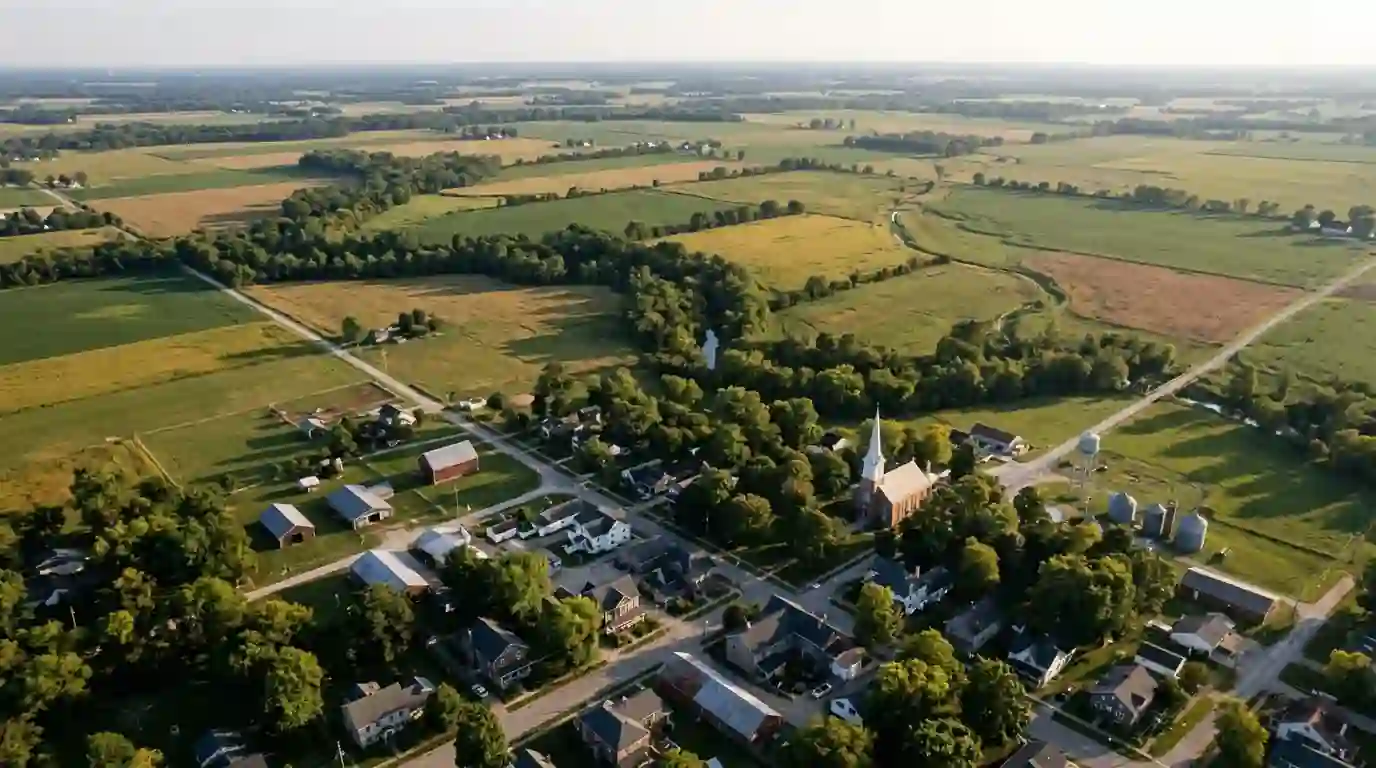
Miami County sits just north of Dayton along I-75 and the Great Miami River, and its roofs tell a story of river towns, farm country and fast-growing suburbs. Troy, the county seat, and Piqua both have historic cores full of Italianate, Queen Anne and early twentieth century homes, some still under slate. Tipp City keeps a historic downtown along Main Street, surrounded by newer neighborhoods. Smaller places like West Milton, Covington, Pleasant Hill, Ludlow Falls, Fletcher and Casstown mix village homes with farm properties, and the open ground between them is dotted with barns and machine sheds.
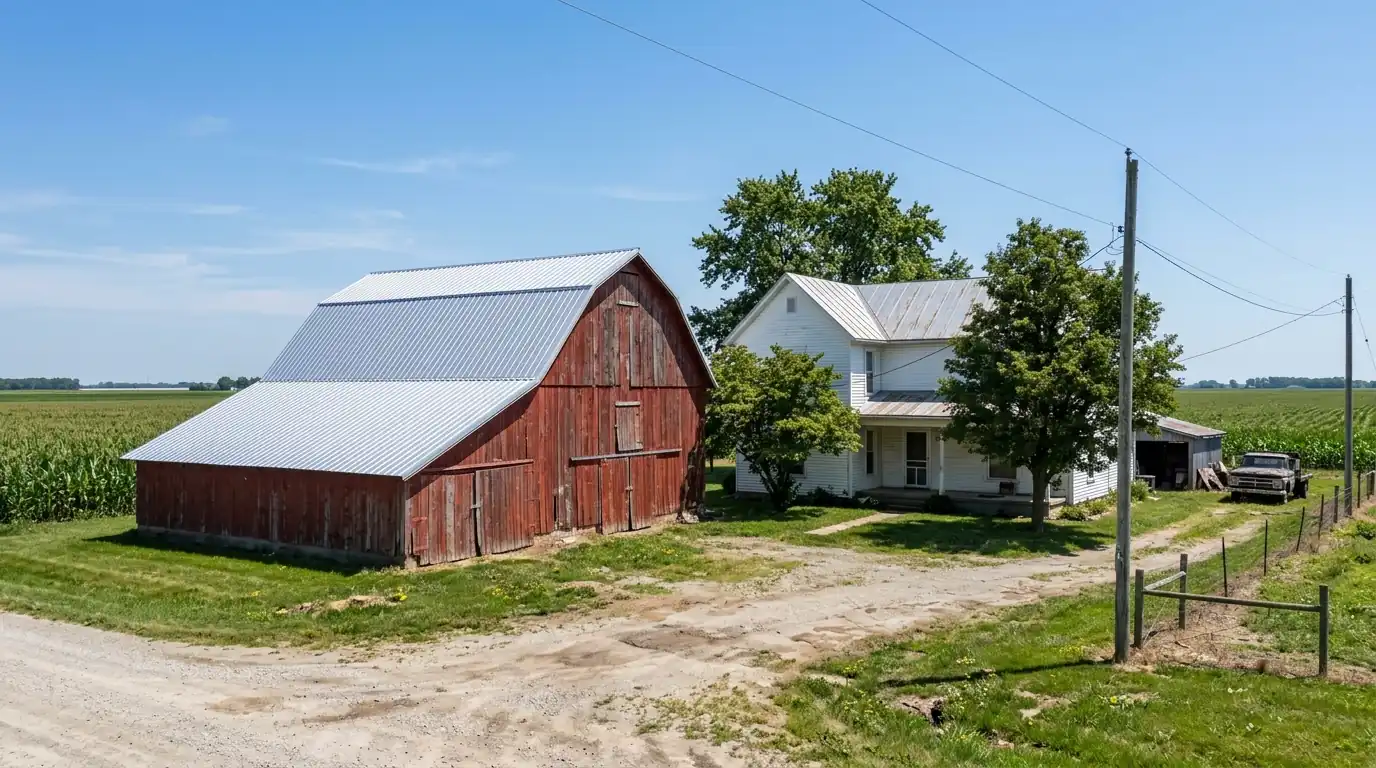
That mix makes metal roofing far more common here than in Dayton's suburbs. Farmers use exposed fastener panels on barns and pole buildings, and a growing number of homeowners choose standing seam metal for farmhouses and new builds. At the same time, the subdivisions spreading around Troy, Tipp City and the Miami County side of Huber Heights are full of homes with architectural asphalt shingles. We work on both, and we can explain plainly which material makes more sense for your building, budget and plans.
Where Miami County's metal, slate and shingle roofs are found
The oldest houses cluster in downtown Troy near the Miami County Courthouse, in Piqua's older neighborhoods, and along the historic streets of Tipp City. These homes often have steep pitches, multiple gables, box gutters and brick chimneys, and some carry original slate. Repairs there focus on flashing, valleys and matching materials. Surrounding them are postwar ranches and split-levels from the 1950s through 1970s, mostly asphalt over board or plywood decking.
Newer growth since the 1990s spread along the I-75 corridor near Troy and Tipp City, and in Bethel Township, where the Carriage Trails neighborhood of Huber Heights crosses the county line. Those homes have larger roofs with valleys and architectural shingles. Out in the countryside, farmhouses often have layered shingles or standing seam metal, while barns, garages and pole buildings run on exposed fastener panels. Our standing seam metal roofing work suits farmhouses and new homes alike.
Wind, hail and winter weather on Miami County's open ground
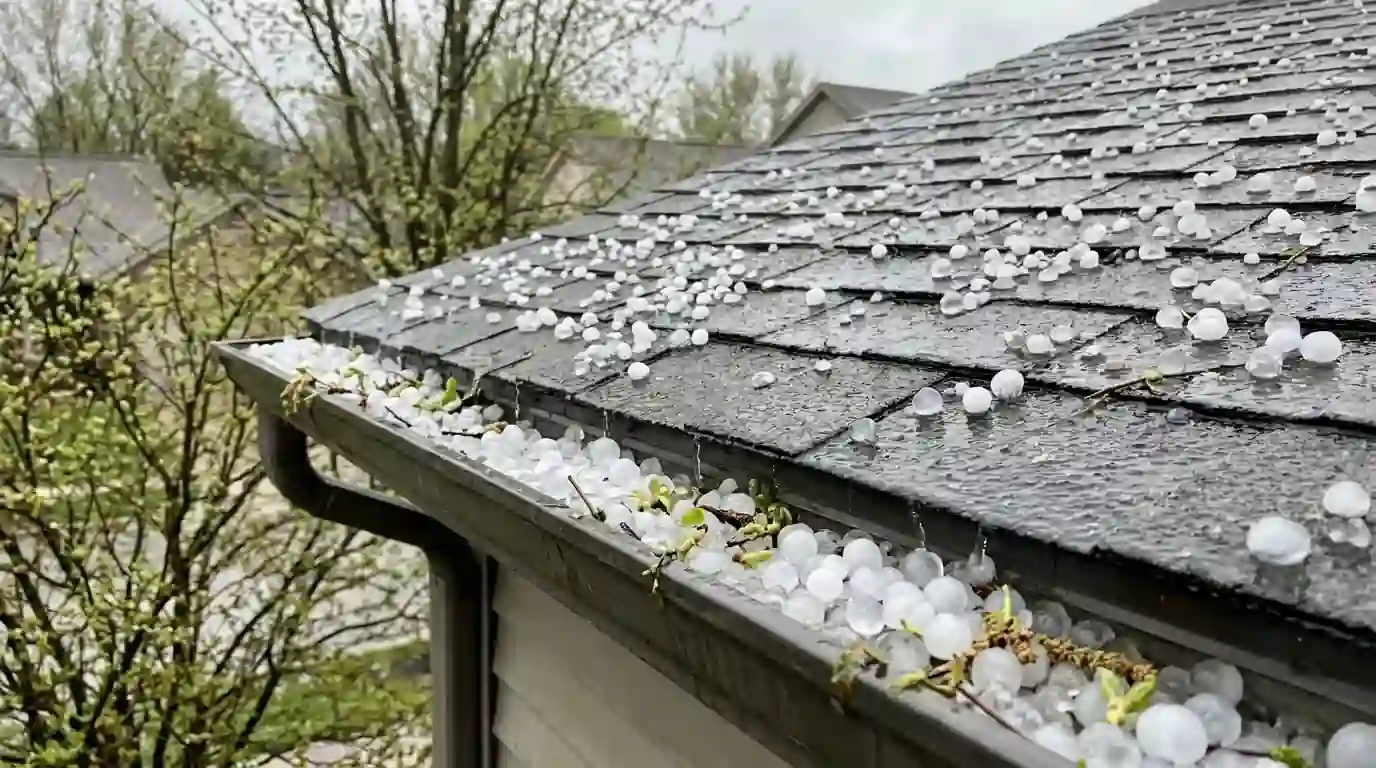
Open farmland gives wind a long, clear run at roofs, especially barns and outbuildings with wide gable ends. Spring and summer storm lines bring hail and straight-line winds across the county, and the Memorial Day 2019 outbreak produced tornadoes in parts of the region north of Dayton as well. Metal panels with dried-out fastener washers are the first to lift in high winds. On homes, hail pocks shingles and leaves dimples in aluminum gutters, and winter freeze-thaw cycles crack sealant around chimneys and vents. Older Troy and Piqua homes with poor attic ventilation are prone to ice dams along the eaves.
The roofing jobs we handle most in Miami County
Metal and shingle work make up most of our calls across Miami County.
Metal Roof Installation
Farmhouses, barns and new homes across the county increasingly use metal for its long service life.
See metal roof installationMetal Roof Repair
Exposed fastener panels on barns loosen over time and need new screws and resealed laps.
See metal roof repairStanding Seam Metal Roofing
Homeowners building or reroofing in the country often choose standing seam for durability.
See standing seam metal roofingAsphalt Shingle Roofing
Subdivisions around Troy and Tipp City are full of homes due for new architectural shingles.
See asphalt shingle roofingSlate Roof Repair & Restoration
Historic homes in Troy and Piqua still carry slate that needs careful repair.
See slate roof repair & restorationWind Damage Roof Repair
Exposed farm properties and open subdivisions lose shingles and panels in strong storms.
See wind damage roof repair
Driving north into Miami County for an inspection
I-75 north from downtown Dayton puts us in Tipp City in about 20 minutes and Troy in under half an hour, with Piqua a little farther. SR-202 offers a back route through Huber Heights, and SR-48 runs north to West Milton and Covington. On farm properties we look over barns and sheds during the same stop as the house, noting panel condition, fastener wear and ridge caps. Each visit wraps up with photos of every problem we found and our recommendation. If you're weighing materials, our metal versus asphalt comparison lays out the trade-offs.
Areas near Miami County we also cover
Roofing questions from Miami County
Can you refasten or replace metal panels on a Miami County barn?
Yes. Over the years the neoprene washers under each screw harden and crack, and heating and cooling slowly work the screws loose, which is how most barn leaks begin. We put in new fasteners a size up where holes have widened, reseal the laps and pin down lifted panels. Sheets that are rusted through or badly bent get replaced with a matching profile.
Is standing seam metal worth it for a farmhouse near Troy?
For many farmhouses, it is. A standing seam roof often outlives two or three asphalt roofs, lets snow slide off, and hides its fasteners under the seams. It costs more up front than shingles, but you may never reroof again. We'll show you profiles, colors and price ranges side by side with architectural shingles so you can decide what fits your house and budget.
Do you work on historic slate roofs in Piqua and downtown Troy?
We do. Some older homes in Piqua and Troy still have their original slate, and most need targeted repairs rather than replacement. We replace broken slates with matching salvaged pieces, rebuild worn valleys and flashing, and reline box gutters. Before recommending anything, we check whether the slate itself is still sound.
Do you serve the Carriage Trails area where Huber Heights crosses into Miami County?
Yes. That part of Huber Heights sits in Bethel Township in Miami County, and its newer homes mostly have architectural asphalt shingles on fairly complex roofs. We handle storm repairs, inspections and replacements there just as we do in the rest of Huber Heights and Tipp City.
How do you stage a roof job on a Miami County farm with a long gravel lane?
We look at the lane, turnaround space and soft ground on the first visit. For tear-offs, we may use a smaller dump trailer instead of a large roll-off, park on gravel instead of grass, and lay plywood where equipment crosses the yard. Materials get delivered in stages if the lane can't handle a full load at once.
Roof trouble in Miami County?
Call any hour and tell us your street. We will give you a time window before we hang up.