Attic Ventilation in Dayton, OH for Cooler, Drier Attics
We measure your attic's intake and exhaust, find what's blocking airflow and fix it with soffit vents, baffles and ridge vents sized to the space. A person answers our phone 24/7, and every visit ends with a photo report.
- Answered 24/7
- Photo report on every visit
- Dayton and the Miami Valley
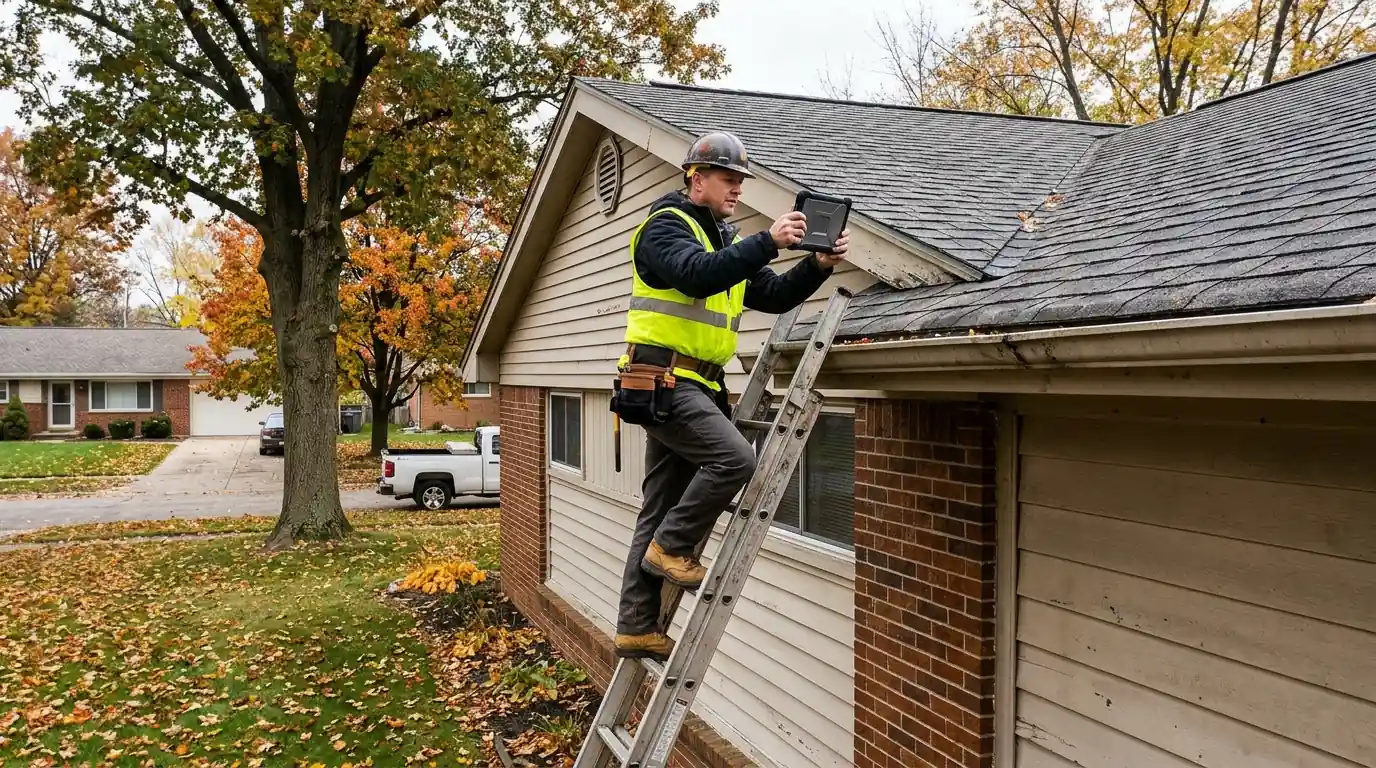
Attic ventilation work in the Dayton area typically costs $385 to $940 for a ridge vent on an existing roof and $780 to $2,360 for a full intake and exhaust rework during a re-roof. A balanced system pulls air in at the soffits and out at the ridge, keeping attics cooler in summer and drier in winter, which protects shingles and decking.
An attic should breathe like a chimney. Cool outside air enters low at the soffits, warms, rises and leaves high at the ridge. When that flow breaks down, the attic turns into an oven in July and a damp cellar in January. Shingles bake from below and age early, decking soaks up condensation, and uneven heat under the roof melts snow that refreezes at the eaves as ice dams. Most homeowners never see any of it until the damage shows.
We start by measuring, not guessing. A common code rule calls for one square foot of net free vent area for every 150 square feet of attic floor, or half that when intake and exhaust are properly balanced. We count what you have, check whether it's actually open, and look for problems that defeat good vents, like mixed exhaust types or insulation stuffed into the soffits. Then we recommend the smallest set of changes that fixes the airflow, and we explain why each one matters.
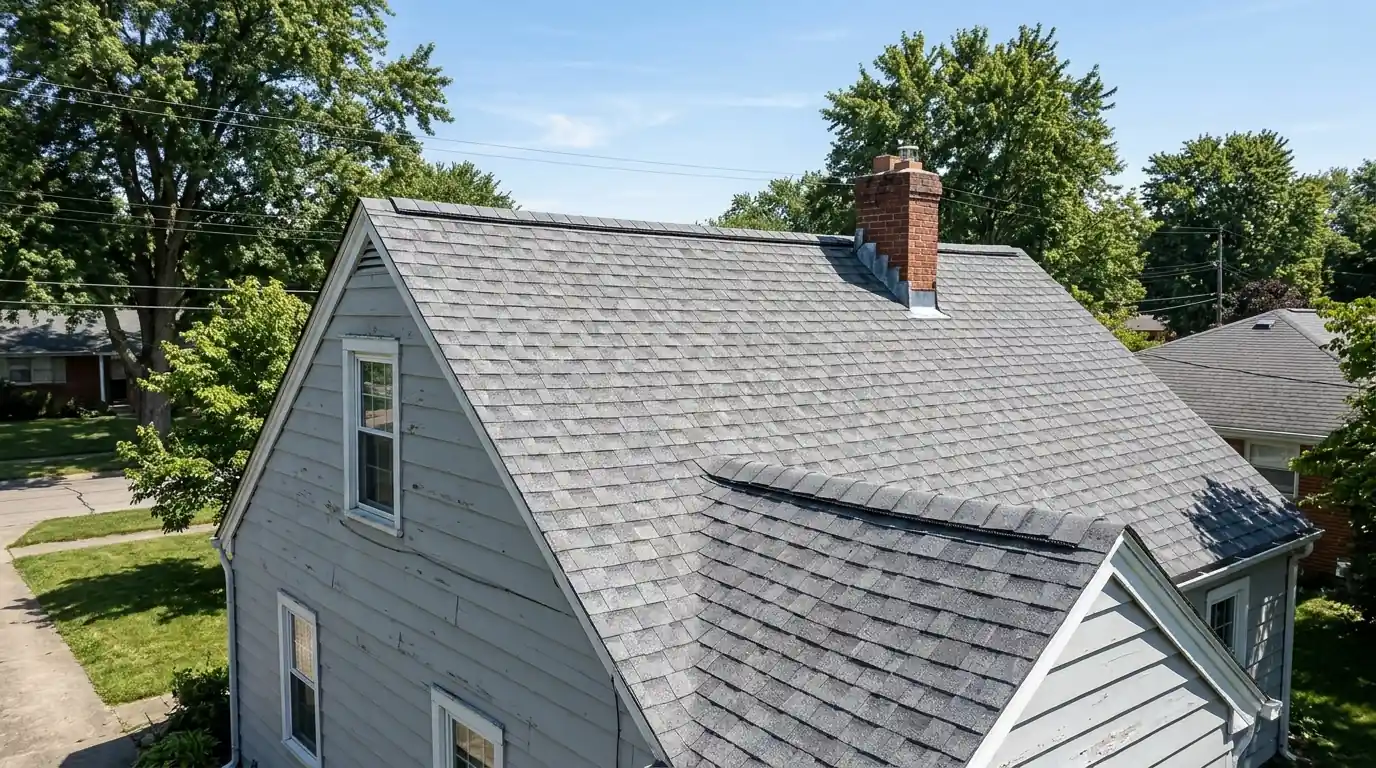
Signs your attic is trapping heat or moisture
Ventilation problems show up in the attic, on the roof and sometimes in your utility bills. These are the clues we hear about most.
Ice dams along the eaves
Uneven roof temperatures melt snow high on the roof, and it refreezes at the cold overhang, pushing water under the shingles.
Frost on nails or decking in winter
Frosty nail tips and wet sheathing in January mean warm, humid house air is condensing in the attic.
Heat you can feel on the attic stairs
Summer attics climb well above outdoor temperatures when exhaust is blocked, pushing heat down into upstairs rooms.
Curling or blistering shingles years early
Heat from below speeds the aging of asphalt shingles, especially on south and west slopes.
Musty smell or dark staining on sheathing
Mold and mildew on the underside of the roof deck point to long-term moisture with nowhere to go.
Peeling paint on soffits and fascia
Moisture escaping at the roof edge, or condensation dripping onto soffits, can peel paint and rot trim.
Ridge vents, box vents and attic fans: which ones work here
Most Dayton-area homes do best with continuous soffit intake and a continuous ridge vent. The ridge vent exhausts air along the whole peak, and a good one has an external baffle that helps keep wind-driven rain and snow out. Box vents, the square caps near the ridge, can work on hip roofs with short ridges, but you need enough of them, and they shouldn't share an attic with a ridge vent.
Powered attic fans are the option we suggest least. They can pull conditioned air out of the house through ceiling gaps, which raises cooling bills, and they can depressurize the attic enough to draw air down a ridge vent instead of up from the soffits. Solar fans avoid the wiring cost but share the same airflow problem. Gable vents work as exhaust on some older homes, though they ventilate unevenly. If you want to check a few things yourself first, our guide to failing attic ventilation walks through them.
- Ridge vent plus soffit intake: best for most gable roofs
- Box vents plus soffit intake: practical on hip roofs with short ridges
- Drip-edge intake vents: for homes with little or no overhang
- Powered fans: a last resort, and never paired with a ridge vent
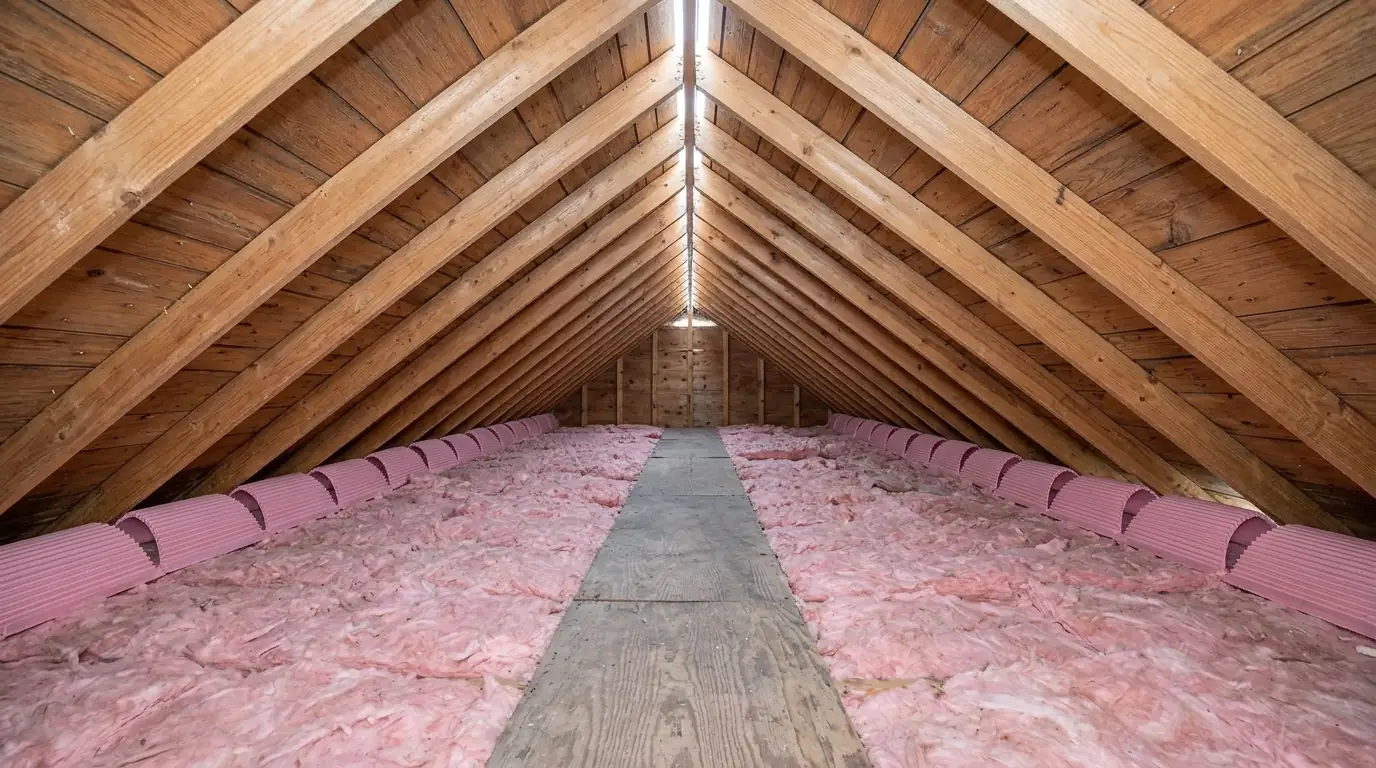
How ventilation connects to ice dams, mold and shingle life
Ventilation isn't a comfort upgrade. It's part of the roof. Shingle manufacturers write ventilation requirements into their warranties, and roofs over hot, unvented attics age faster on the south and west slopes. In winter, a cold, well-vented roof deck keeps snow melting evenly instead of in patches, which is the main defense against ice dams along with good insulation and air sealing.
Moisture is the slower problem. A household puts a surprising amount of water into the air every day through cooking, showers and breathing, and some of it rises into the attic through light fixtures, the hatch and plumbing gaps. Without airflow, it condenses on the cold underside of the deck and feeds mold and rot. That's how we end up doing decking replacement on roofs that never actually leaked. When ice dams have already caused damage, our ice dam repair work pairs with venting fixes so it doesn't happen again next winter.
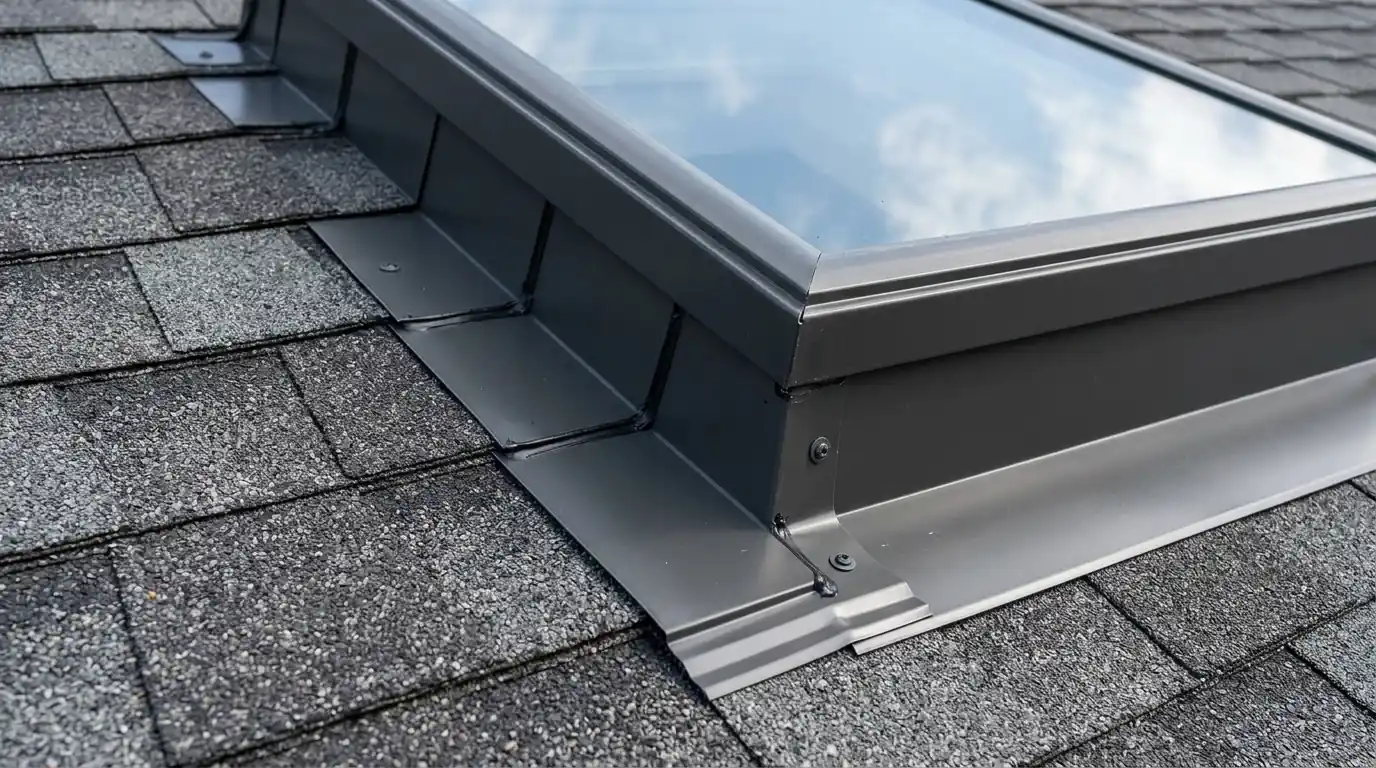
How we balance intake and exhaust in a Dayton attic
Good ventilation is mostly arithmetic and careful carpentry. Here's how our crew lead works through an attic.
Measure the attic and the vents
We measure the attic floor area, count every existing vent and calculate net free area for intake and exhaust. That tells us whether the problem is too little venting or venting that's blocked.
Check the soffits from inside
Many soffits look vented from outside but are blocked by insulation, paint or solid wood behind the vent strips. We look from the attic side and photograph what we find.
Install baffles to keep intake clear
Rigid baffles fastened between rafters hold insulation back from the soffit, so air can flow up along the underside of the roof deck instead of stalling at the eaves.
Open or add intake vents
Where soffits are solid or too small, we cut in continuous strip vents or individual soffit vents. On homes with no overhang, we use drip-edge intake vents along the eaves.
Choose one exhaust type and install it
We usually install a continuous ridge vent and close off old box vents or gable vents that would short-circuit it. Mixing exhaust types can pull air from the wrong place instead of from the soffits.
Fix moisture sources and document
We reroute bathroom and kitchen fans that dump into the attic to proper roof or wall caps, and seal the attic hatch when asked. Then we send a before-and-after photo report.
Typical attic ventilation costs for Dayton homes
Costs vary with the roof, the soffits and how much is wrong. These are typical Dayton-area ranges, and the cheapest time to fix ventilation is during a re-roof.
| Job | Typical range | What it covers |
|---|---|---|
| Ridge vent cut in on an existing roof | $385 to $940 | Cut slot, install vent and cap shingles, close old box vents |
| Soffit intake vents and baffles | $265 to $715 | Open blocked soffits, add vents, install baffles |
| Full intake and exhaust rework during a re-roof | $780 to $2,360 | Ridge vent, intake, baffles, closing old vents |
| Reroute a bathroom fan to a roof cap | $285 to $640 | New duct, insulated where needed, flashed roof cap |
| Solar or electric attic fan | $435 to $1,140 | Unit, flashing and wiring or solar panel |
Ranges are typical for 2026 in the Dayton area and depend on your attic and roof; we measure and confirm the price before any work. See more on our Dayton roofing price guide.
- Roof styleHip roofs have short ridges, so they often need different exhaust options than a simple gable.
- Soffit conditionSolid wood soffits or rotted overhangs need carpentry before intake vents can work.
- Attic access and headroomTight attics with little clearance at the eaves slow baffle installation.
- Existing vents to close offEach box vent removed needs the opening decked, shingled and sealed.
- Timing with a re-roofDoing ventilation along with a new roof avoids patching and saves labor.
Attic airflow problems common in Miami Valley housing
Every era of local housing has its own ventilation quirk. Postwar ranches and Cape Cods in Kettering and Huber Heights often have a few box vents and small soffit vents that later got painted over or buried under blown insulation. Cape Cods add a tricky detail: knee walls and sloped ceilings that leave only a narrow channel for air, which makes upstairs bedrooms hot and feeds ice dams at the eaves.
Older city homes in neighborhoods like Five Oaks and Dayton View Triangle were built with little or no soffit venting, relying on gable louvers and drafty construction. Once those homes get insulation and new windows, the attic loses its accidental airflow and moisture problems start. Newer homes in Centerville and Beavercreek usually have ridge vents, but complex rooflines and recessed lights can leave dead zones. Dayton's humid summers and freeze-thaw winters punish all of them.
Where we do attic ventilation most often
These neighborhoods, suburbs and cities make up most of our attic ventilation calls. Each link opens the local page with its ZIP.
Questions about attic ventilation in Dayton
Can you add a ridge vent without replacing my whole roof?
Usually, yes. We cut a slot along the ridge, install the vent and cover it with new cap shingles matched as closely as possible. It works best when the soffits provide enough intake, so we check those first. On older, brittle shingles, we'll tell you if the work risks more damage than it's worth.
Why does the upstairs of my Cape Cod get so hot in summer?
Cape Cods often have sloped ceilings with only a narrow air channel between the insulation and roof deck, and the knee-wall attics on each side rarely connect to good exhaust. Heat builds right against the bedroom ceilings. Fixing it usually means clearing the channel with baffles, improving intake at the eaves and adding ridge exhaust.
Should the gable vents be closed after you install a ridge vent?
In most cases, yes. Gable vents near a ridge vent can let the ridge pull air in from the gables instead of from the soffits, leaving the lower attic stagnant. We look at the layout before deciding, since some homes with very limited soffit intake are better off keeping them open.
Is it normal to see frost in my attic during a January cold snap?
A little frost on nail tips during a cold snap isn't unusual, but heavy frost, dripping or wet insulation signals too much indoor moisture reaching the attic and too little airflow. Common culprits are bathroom fans venting into the attic and gaps around the hatch. Have it checked before the spring thaw soaks the decking.
Will better attic ventilation lower my cooling bill?
It can help somewhat, mostly by lowering the attic temperature above upstairs ceilings, but insulation and air sealing do more for energy bills. The bigger payoff from ventilation is a longer-lasting roof and fewer moisture problems. We'd rather give you an honest picture than promise a specific savings figure.
Does a roof with no soffit overhang still need intake vents?
Yes. Without intake, exhaust vents pull air from the house itself, which wastes energy and drags moisture into the attic. On homes with little or no overhang, we install intake vents built into the drip edge along the eaves, which let air in under the first course of shingles.
Other roofing work that often goes with this job
Roof Decking Replacement
Inspections, Ventilation & Skylights
See roof decking replacementIce Dam Removal & Repair
Roof Repair & Storm Damage
See ice dam removal & repairRoof Inspection
Inspections, Ventilation & Skylights
See roof inspectionFascia & Soffit Repair
Gutters, Siding & Chimneys
See fascia & soffit repair
Product lines we install on roofs around Dayton include shingles from GAF, Owens Corning and CertainTeed, metal from Englert, membranes from Carlisle SynTec and skylights from VELUX.
Need attic ventilation today?
Call any hour. A person answers, asks a few questions and sets a time for a roofer to come out.