Synthetic Slate and Shake Roofing in Dayton, OH
We install polymer synthetic slate and shake for homeowners who want the look of stone or cedar without the weight or the upkeep. We bring full-size samples to your house, and a person answers 24/7.
- Answered 24/7
- Photo report on every visit
- Dayton and the Miami Valley
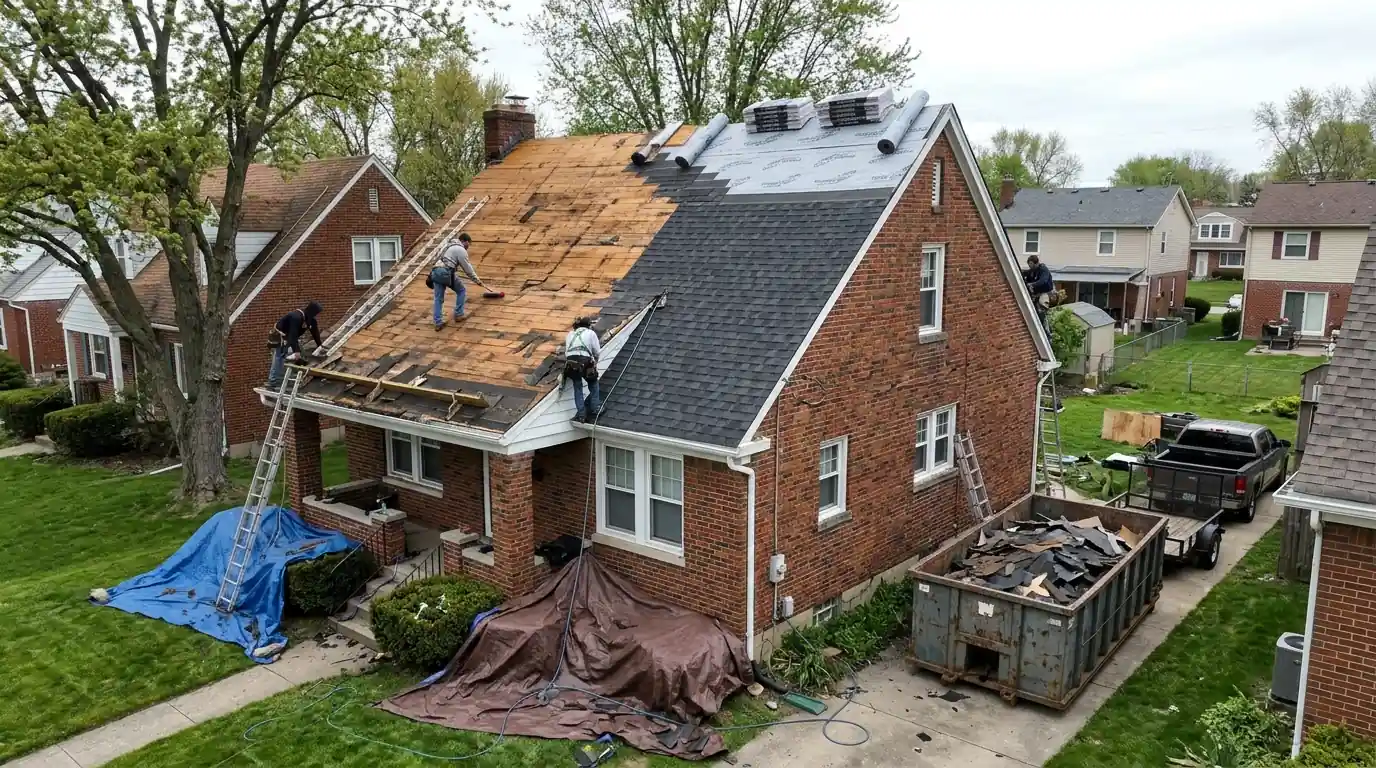
Synthetic slate installed around Dayton typically costs $12.40 to $19.60 per square foot, and synthetic shake runs $11.70 to $18.30, including tear-off, underlayment and trim. A typical house lands around $27,280 to $43,120. Most synthetic products weigh far less than natural slate, so framing upgrades are rarely needed. Product line, profile, color blend and roof complexity drive the price.
Natural slate is beautiful and lasts a very long time, but it's heavy, expensive to install and hard to repair without specialized skills. Synthetic slate and shake give you much of the look at a fraction of the weight. Most are molded from polymer blends, often including recycled rubber or plastic, using real slate or cedar as the pattern. From the street, a good synthetic roof with varied widths and a blended color reads convincingly as stone or wood.
Weight is the reason many homeowners call us about synthetics. A house framed for asphalt shingles usually can't carry natural slate without structural work, but it can typically carry synthetic slate with no changes. We bring full-size samples in several color blends, lay them out in your driveway, and look at them from across the street. That's how a neighbor will see your roof, so that's how we judge a product's look.
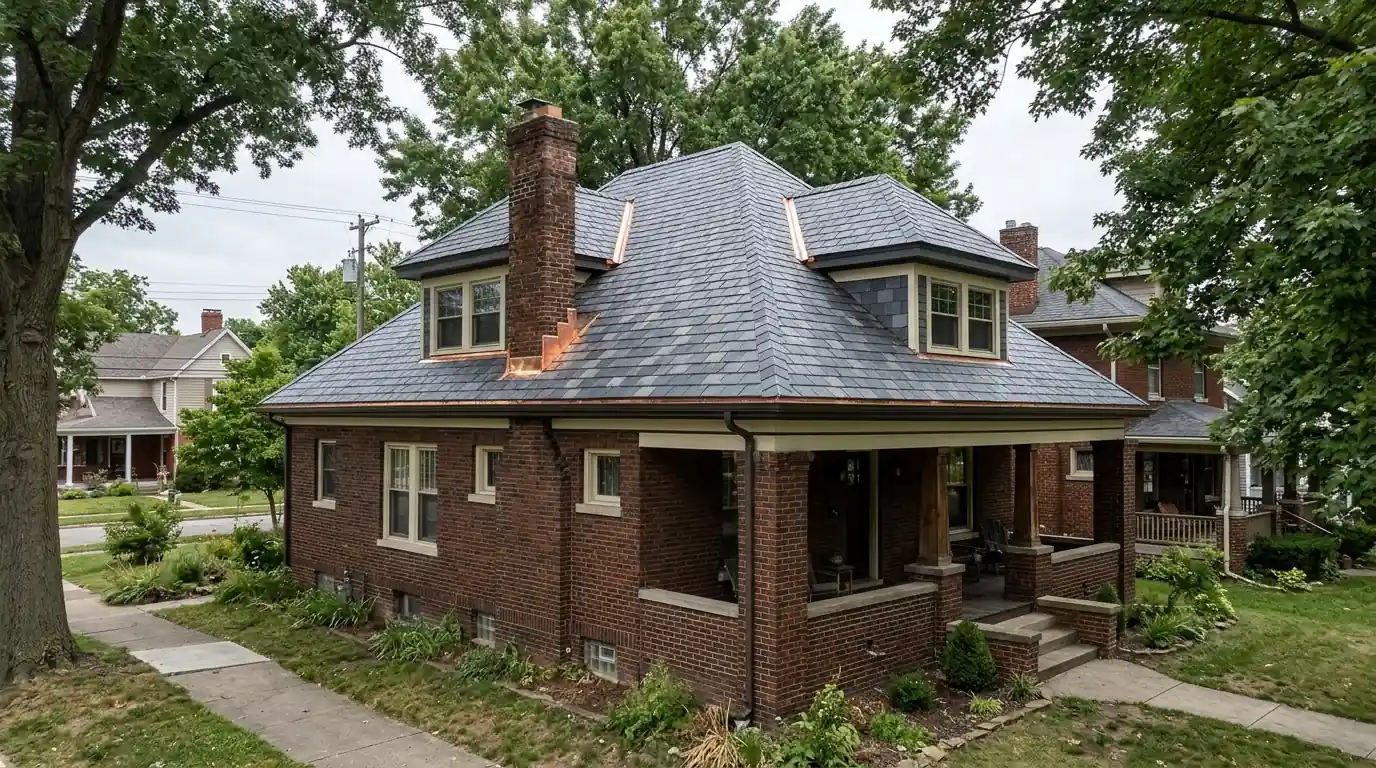
Weight compared: synthetic slate, natural slate and asphalt
Natural slate commonly weighs somewhere around 800 to 1,500 pounds per square, depending on thickness and type. That's why homes with slate roofs were built with heavier rafters, closer spacing and solid board decking. Putting natural slate on a house framed for shingles often means adding structural support.
Most synthetic slate products weigh far less, often in the same range as heavy architectural shingles. Exact weights vary by product and thickness, but the takeaway is that a typical home framed for shingles can usually carry synthetic slate without changes to the structure.
Lower weight also makes installation simpler. Tiles are easier to lift and handle on the roof. Synthetic tiles can be cut with a utility knife or saw and nailed like shingles, and they're less likely to crack when walked on than natural slate. That makes future repairs more straightforward.
Weight also matters on older houses that have been remodeled. When a 1910s home lost its slate decades ago, the attic sometimes picked up cut rafters for ductwork or a dormer added on lighter framing. We check for that in the attic before recommending any heavy material, and synthetic slate usually leaves a comfortable margin.
- Natural slate: very heavy, often needs structural support
- Synthetic slate: usually comparable to heavy asphalt shingles
- Architectural asphalt: the baseline most framing is built for
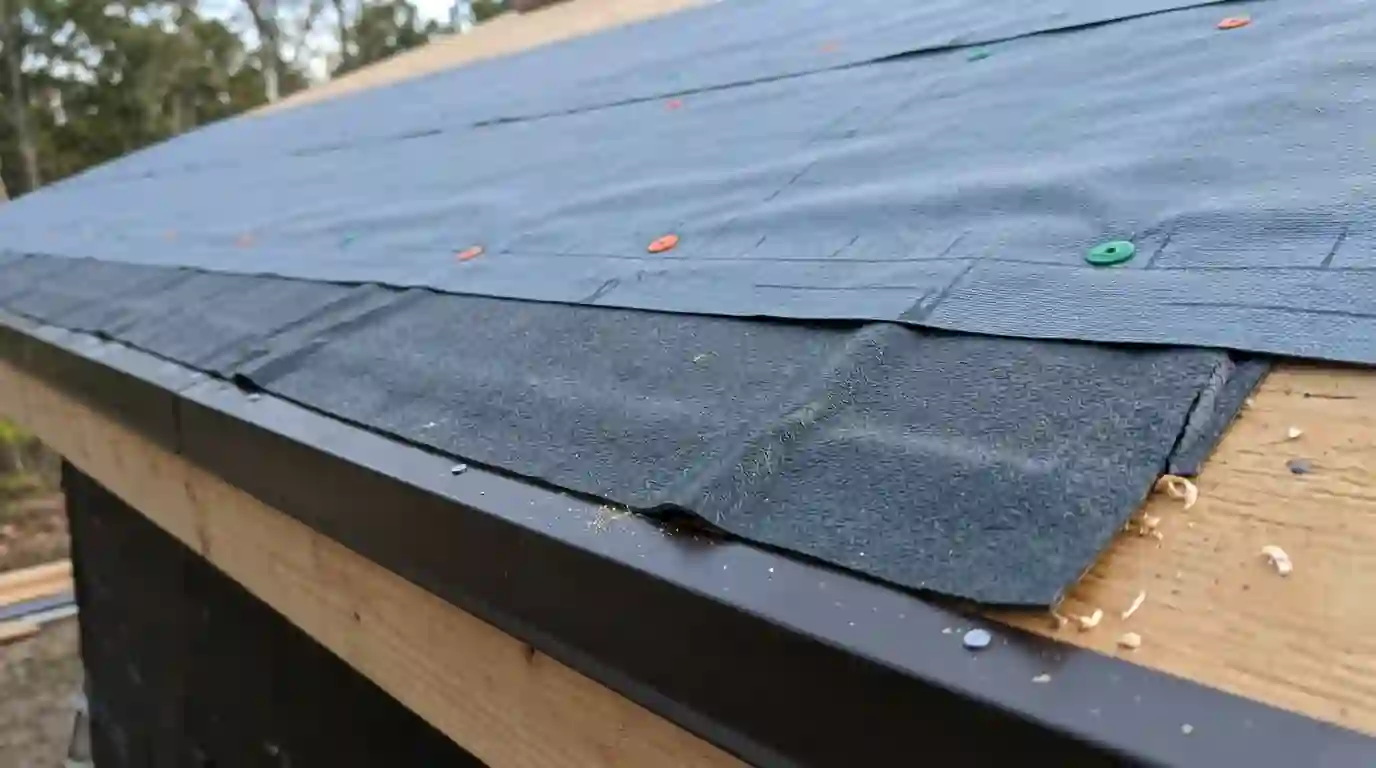
How close synthetic slate and shake really look to the real thing
From the street, a good synthetic slate roof with varied widths and blended colors reads convincingly as stone. Up close, the differences show. Synthetics feel lighter, edges can look more uniform, and some products show a slight sheen. Cheaper lines with flat profiles and single colors look the most artificial, so product choice matters.
Synthetic shake has a similar story. Good products are molded from real cedar and look like weathered wood from the ground, without the moss and rot real cedar can develop in shaded Ohio yards. If you're weighing real cedar, our cedar shake roofing page covers the upkeep involved.
One caution: mixing synthetic slate with natural slate on the same roof plane usually looks off, because they weather differently. Also, in some historic districts, replacing natural slate with synthetic may require review. If your natural slate is still sound, our slate roof repair and restoration work may be the better path.
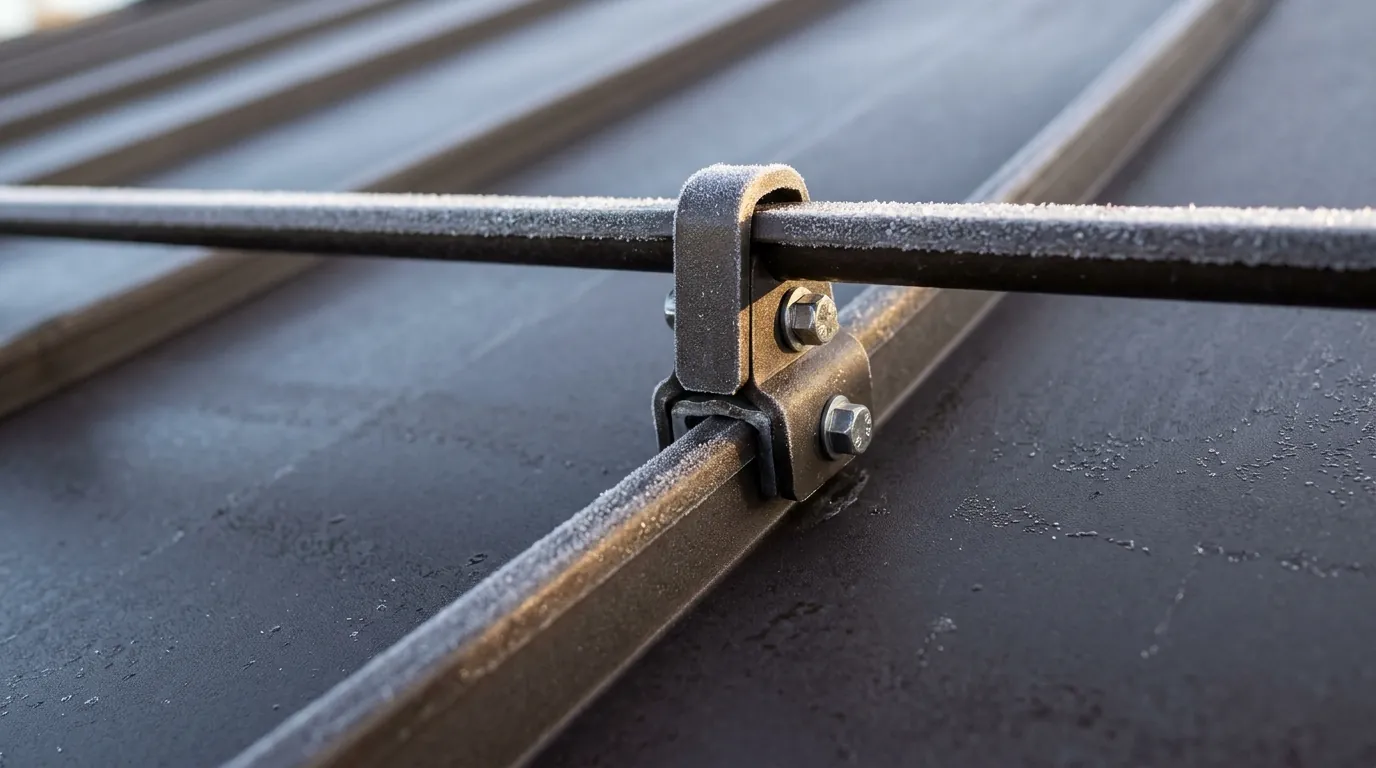
Synthetic slate and shake roof costs typical around Dayton
These typical Dayton-area ranges include tear-off of one layer, underlayment, trim and cleanup.
| Job | Typical range | What it covers |
|---|---|---|
| Synthetic slate, installed | $12.40 to $19.60 per sq ft | Polymer slate, mixed widths and colors, matching hips and ridges |
| Synthetic shake, installed | $11.70 to $18.30 per sq ft | Polymer cedar-look shake, matching trim |
| Typical whole house, synthetic slate | $27,280 to $43,120 | Around 22 squares on a moderately cut-up roof |
| Natural slate tear-off | $1.85 to $3.45 per sq ft | Removal and disposal of existing slate |
| Copper valleys and flashing upgrade | $1,870 to $5,640 | Copper valleys, step flashing and counterflashing |
Use these typical Dayton-area figures to plan, not as a quote. Your price depends on the product line and your roof, and we confirm it after measuring. See more on our Dayton roofing price guide.
- Product line and profileThicker, more detailed tiles with realistic edges cost more than thinner, flatter profiles. Shake profiles price slightly differently from slate profiles.
- Color blendSingle colors are the simplest. Multi-color blends require more layout attention and sometimes more material.
- Existing roofRemoving heavy natural slate costs more than removing shingles. Multiple layers or poor decking add to the total.
- Roof complexityTurrets, dormers, valleys and steep pitches all add labor and trim.
- Flashing materialsCopper flashing costs more than painted steel but suits slate-look roofs and lasts longer.
How we install synthetic slate so it looks real from the curb
Synthetic roofs look best when the layout and color mix are planned carefully. This is our sequence.
Compare samples on site
We bring full-size tiles in several color blends and widths. We look at them on your driveway and from across the street, in sun and shade, so you see how they'll actually read.
Check the roof structure and deck
We look at framing and deck condition in the attic. Most homes framed for shingles carry synthetic slate easily, but we confirm it and note any deck repairs needed.
Tear off and install underlayment
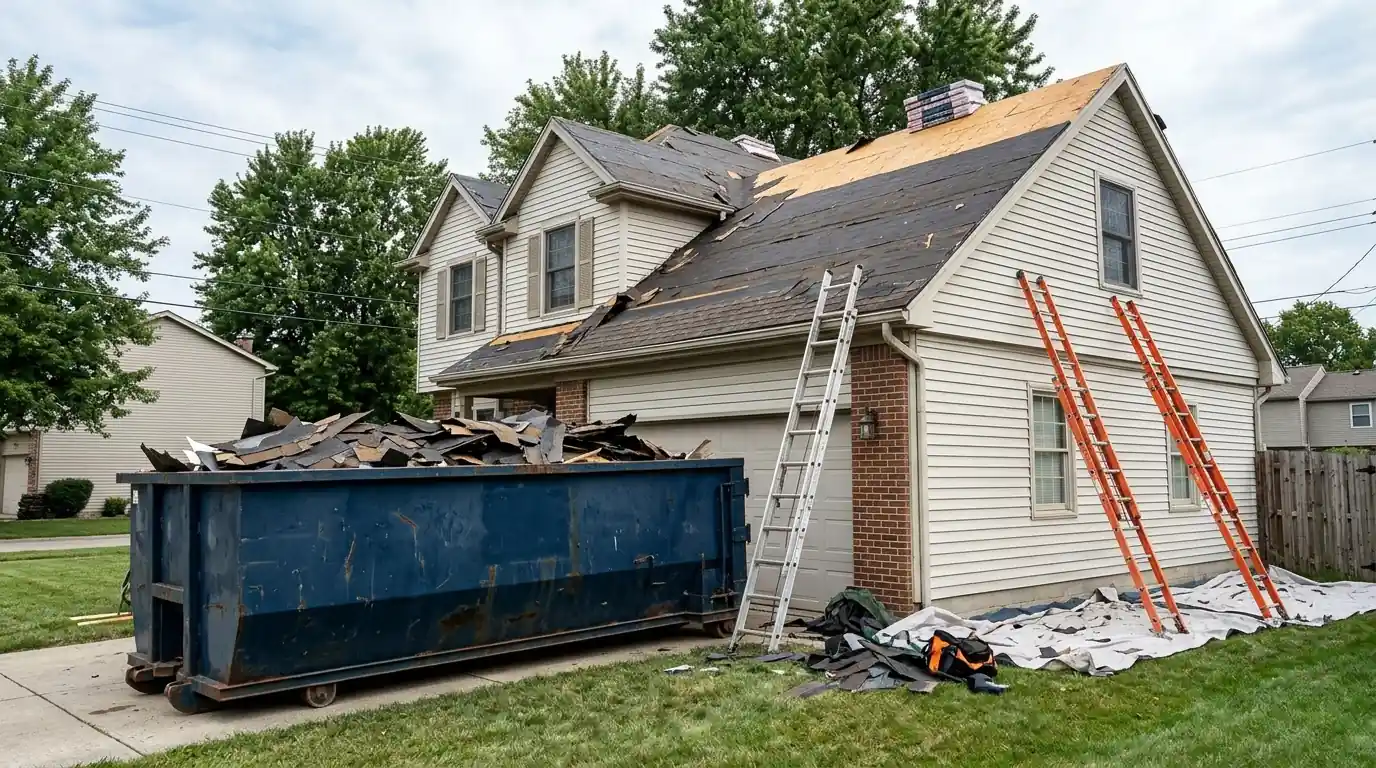
After tear-off, we repair any soft decking, then install ice barrier at eaves and valleys and the underlayment the manufacturer specifies, which can be required for impact and fire ratings.
Lay out widths and color blends
Synthetic slate usually comes in several widths and colors. We mix bundles and follow a layout pattern so widths and shades vary naturally, without repeating patterns or color blotches.
Fasten with gaps for movement
Polymer tiles expand and contract more than stone, so we leave the gaps the manufacturer specifies. Nails go in the marked zones so tiles stay flat and secure.
Finish with matching hips, ridges and flashing
Hip and ridge pieces from the same product line, plus copper or painted flashing, finish the roof. We photograph each stage and register the manufacturer warranty where the product allows.
Who synthetic slate and shake makes sense for
Synthetic roofing fits a specific set of goals and houses. It's a strong match when these apply.
Your house can't carry natural slate
Homes framed for shingles usually lack the structure for real slate. Synthetic slate is often close to the weight of heavy architectural shingles.
Your slate roof is past saving
When natural slate is widely soft, flaking or broken, synthetic slate can bring back the look at a lower cost than new natural slate.
You want the cedar look without cedar upkeep
Synthetic shake doesn't grow moss as easily, doesn't rot, and doesn't need preservative treatments, though it still benefits from clean gutters and trimmed trees.
You've had hail damage before
Many synthetic slate and shake products carry UL 2218 Class 4 impact ratings, which some insurers credit and which hold up well to spring hail.
You need a roof that's easier to repair
Synthetic tiles can be nailed, cut and replaced with standard roofing tools, so future repairs don't require a slate specialist.
You're building or renovating an upscale home
Synthetic roofing gives custom homes and major additions a high-end look without the structural framing natural slate requires.
Older Dayton homes and new builds choosing synthetic slate
Some older homes in Five Oaks and Grafton Hill had their original slate replaced with asphalt decades ago. Owners restoring those houses often want the slate look back, but the framing may have been altered or the budget doesn't stretch to natural slate. Synthetic slate gives back the historic look without heavy structural changes.
In Oakwood, where many homes still have natural slate, we see synthetic considered mainly when a roof is beyond restoration, or for additions and garages where matching weight and framing is a challenge. On new custom homes around the region, synthetic slate and shake give a high-end look on roofs that were never framed for stone.
The local weather makes synthetic a reasonable choice. Many products carry Class 4 impact ratings, which matters in spring hail season. They don't absorb water like cedar or soft slate, so freeze-thaw cycles do less damage. Products do expand and contract in summer heat and winter cold, which is why proper spacing and fastening matter so much here.
Where we do synthetic slate & shake roofing most often
These neighborhoods, suburbs and cities make up most of our synthetic slate & shake roofing calls. Each link opens the local page with its ZIP.
Questions about synthetic slate & shake roofing in Dayton
How much does synthetic slate weigh compared to the real slate on old Dayton homes?
Natural slate commonly runs around 800 to 1,500 pounds per square depending on thickness. Many synthetic slate products weigh far less, often near the weight of heavy architectural shingles. Exact weights depend on the product, so we check the spec sheet and your framing before recommending a line.
Will synthetic slate look fake on my house from the street?
A good product with mixed widths and a blended color usually looks convincing from the street. Cheaper lines with flat profiles and single colors look more artificial. That's why we bring full-size samples and look at them from across the street at your house, in both sun and shade.
Can synthetic slate be used in a Dayton historic district?
It depends on the district and the review process. Replacing natural slate with another material in locally designated historic districts generally requires review by the city. Some reviews allow synthetic slate in certain situations and some don't. Check with the city's preservation staff before you commit to a product.
Do synthetic slate and shake roofs hold up to Ohio hail?
Many synthetic slate and shake products carry UL 2218 Class 4 impact ratings, which means they passed the toughest test in that standard. They can still be marked by very large hail, but they generally hold up well. Some insurers offer credits for Class 4 roofs, so ask your agent.
Can someone walk on a synthetic slate roof to service a chimney or antenna?
Generally yes, with care. Polymer tiles flex rather than crack under a careful footstep, unlike natural slate, so a chimney sweep or satellite installer can usually work on the roof. Soft-soled shoes, staying off the exposed edges and avoiding very hot or very cold days lowers the risk of scuffs or broken corners.
Is synthetic shake a good replacement for a worn-out cedar roof?
For many homeowners, yes. Synthetic shake gives a similar look without rot, splitting or preservative treatments, and it resists moss better in shaded yards. It costs more than asphalt but usually less than new premium cedar over the long run. We'll bring samples of both so you can compare.
Other roofing work that often goes with this job
Slate Roof Repair & Restoration
Roof Replacement & New Roofs
See slate roof repair & restorationCedar Shake Roofing
Roof Replacement & New Roofs
See cedar shake roofingImpact-Resistant Shingles
Roof Replacement & New Roofs
See impact-resistant shinglesRoof Replacement
Roof Replacement & New Roofs
See roof replacement
Product lines we install on roofs around Dayton include shingles from GAF, Owens Corning and CertainTeed, metal from Englert, membranes from Carlisle SynTec and skylights from VELUX.
Need synthetic slate & shake roofing today?
Call any hour. A person answers, asks a few questions and sets a time for a roofer to come out.