Skylight Installation in Dayton, OH Without the Leaks
We frame new openings, set skylights and tubular daylighting units, and flash them with the manufacturer's kit over ice and water membrane on every side. A person answers our phone 24/7, and you get photos of each layer before it's covered.
- Answered 24/7
- Photo report on every visit
- Dayton and the Miami Valley
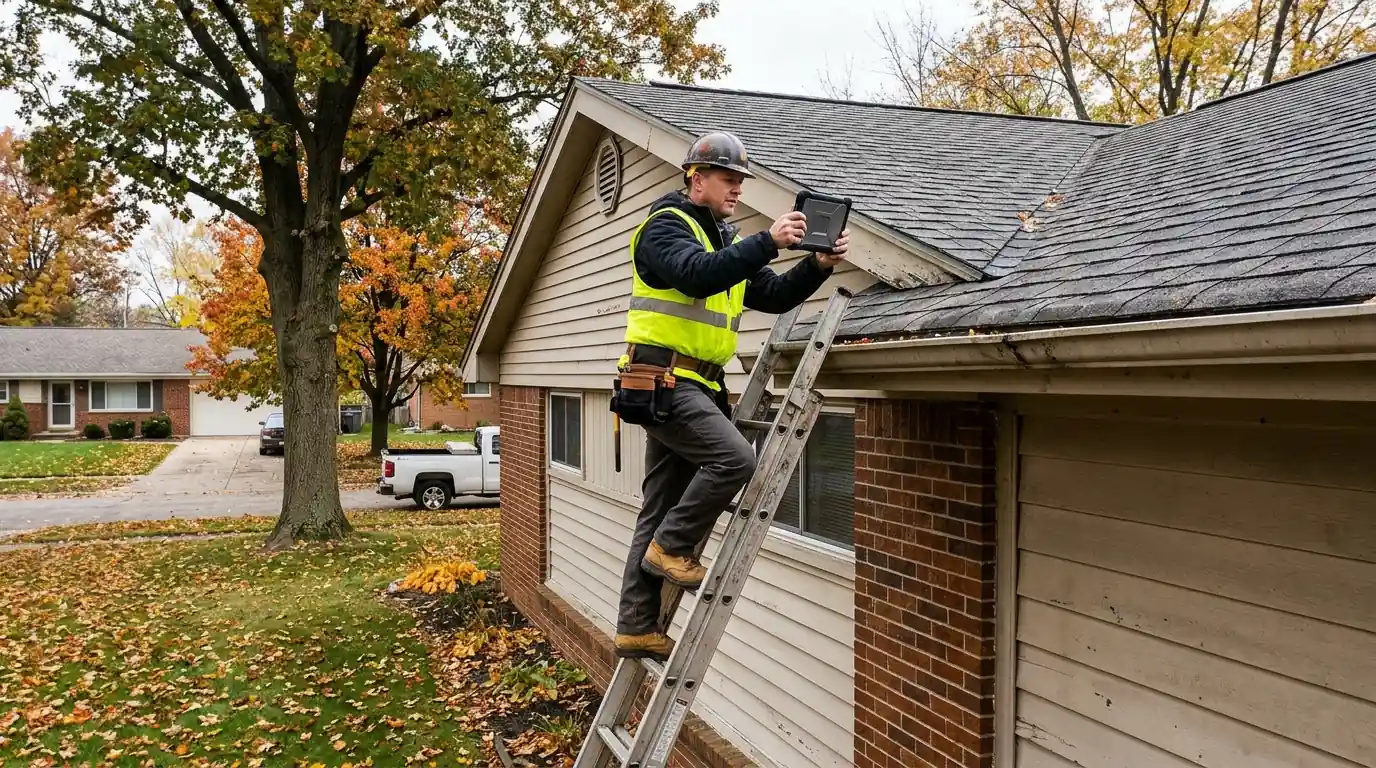
Skylight installation in the Dayton area typically costs $685 to $1,340 for a tubular skylight, $1,280 to $2,460 to replace a skylight in an existing opening, and $2,870 to $5,640 for a new skylight with a framed opening and drywall shaft. Price depends on size, venting or fixed glass, roof pitch, and how much interior finishing the light shaft needs.
A well-installed skylight brings daylight into a dark hallway, a bathroom with no window or a kitchen at the center of a 1960s ranch. A poorly installed one becomes a leak with a view. The difference is almost entirely in the flashing and the framing. We cut the opening between rafters where possible, frame headers where we can't, set the unit square, and build the water barriers in the right order so every lap sheds water downhill.
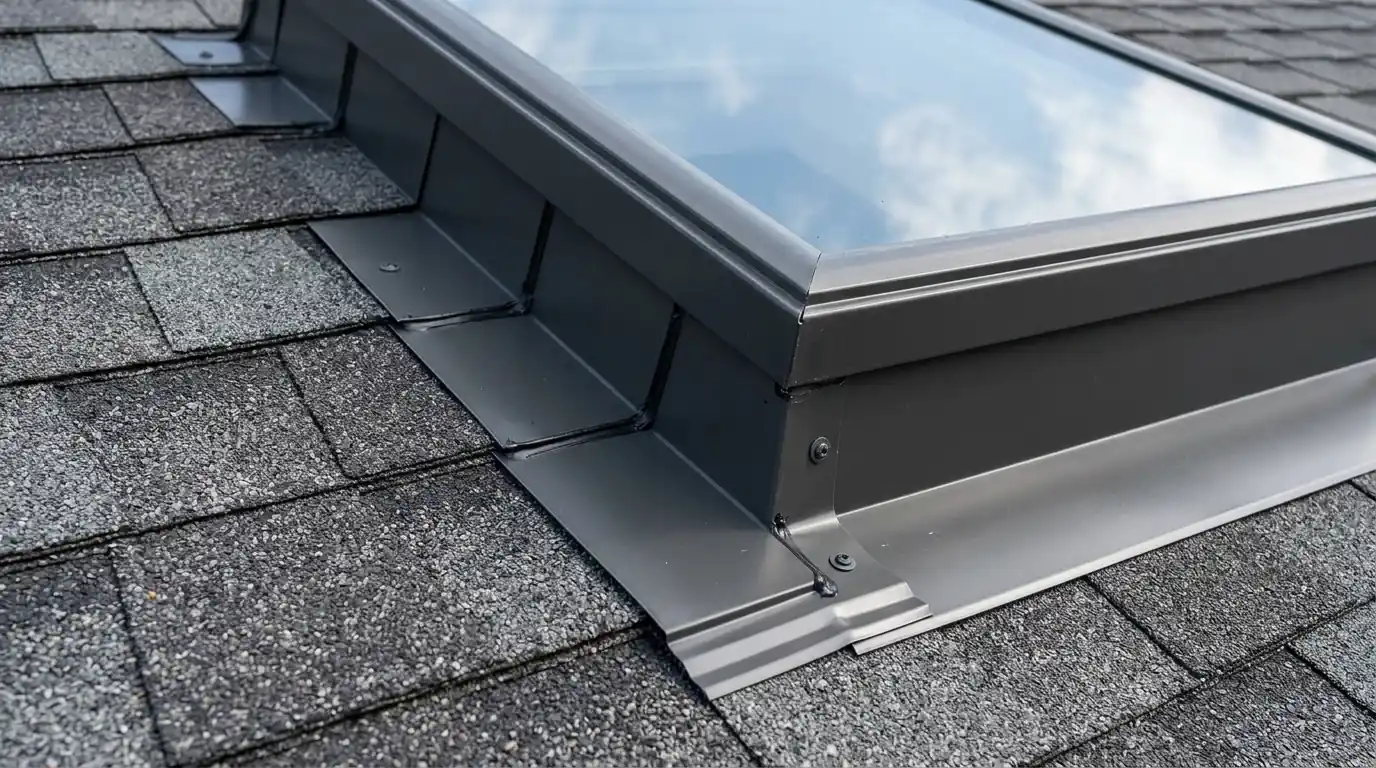
We install deck-mounted skylights with the manufacturer's step-flashing kit, because those kits are designed for that exact unit. Around the unit, ice and water membrane goes up the sides before any metal, and the shingles are woven back in by hand. Inside, we frame and drywall the light shaft or leave it ready for your painter. If a full skylight is more than you need, a tubular unit gets light into a small room for far less cost and disruption.
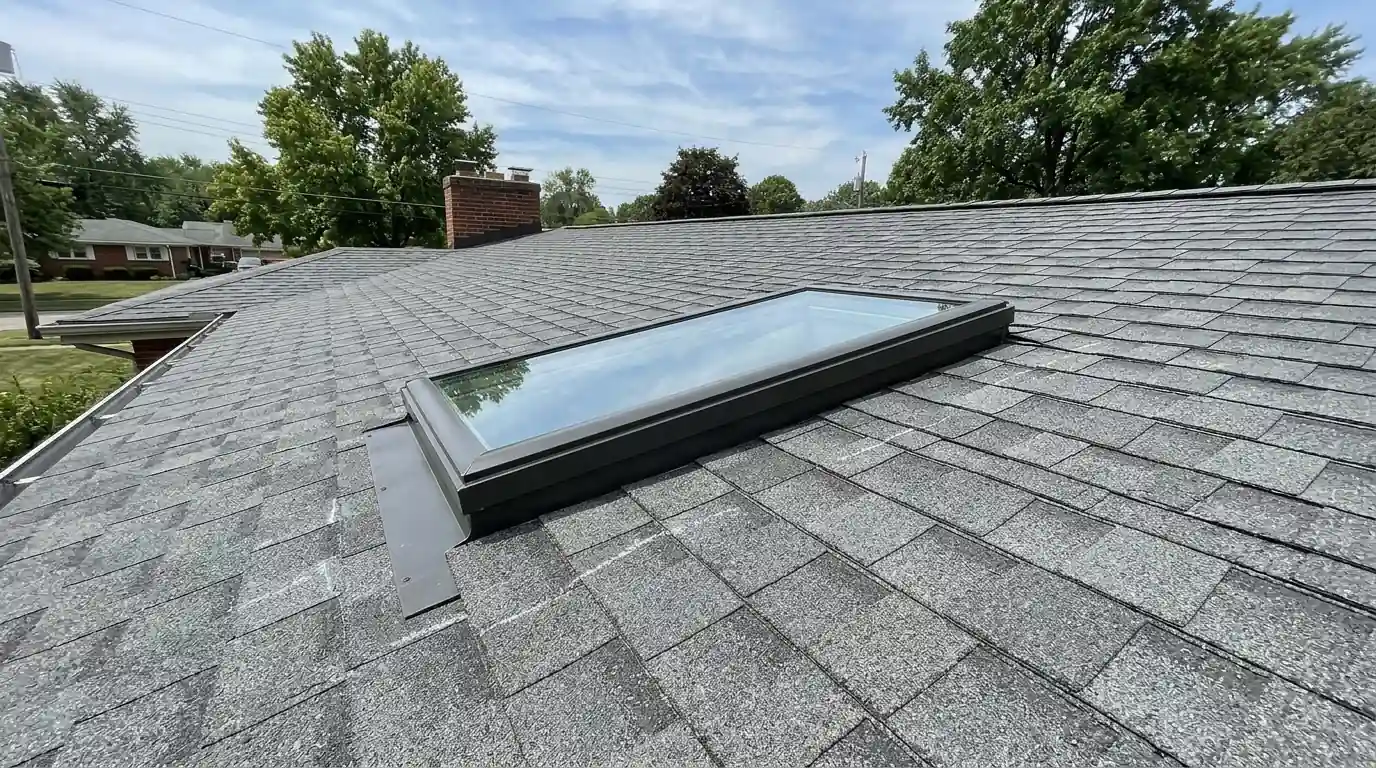
Tubular skylight or full skylight: picking the right one
A tubular skylight, sometimes called a sun tunnel, uses a small dome on the roof and a reflective tube to carry light down to a round diffuser in the ceiling. It fits between standard rafters, needs no framing changes and installs in a few hours. It's ideal for bathrooms, closets, laundry rooms and hallways. You get bright, even light, but no view of the sky and no ventilation unless you choose a model with a fan.
A full skylight gives you the sky, more light and the option to open it. It also costs more, takes a day or two, and needs a light shaft unless you have a vaulted ceiling. For kitchens, living rooms and bonus rooms, the extra light and the view are usually worth it. If you're unsure, we often suggest a tubular unit in a small room first, so you can see what daylight does in your house before committing to a bigger opening. Our typical roofing prices page lists related costs.
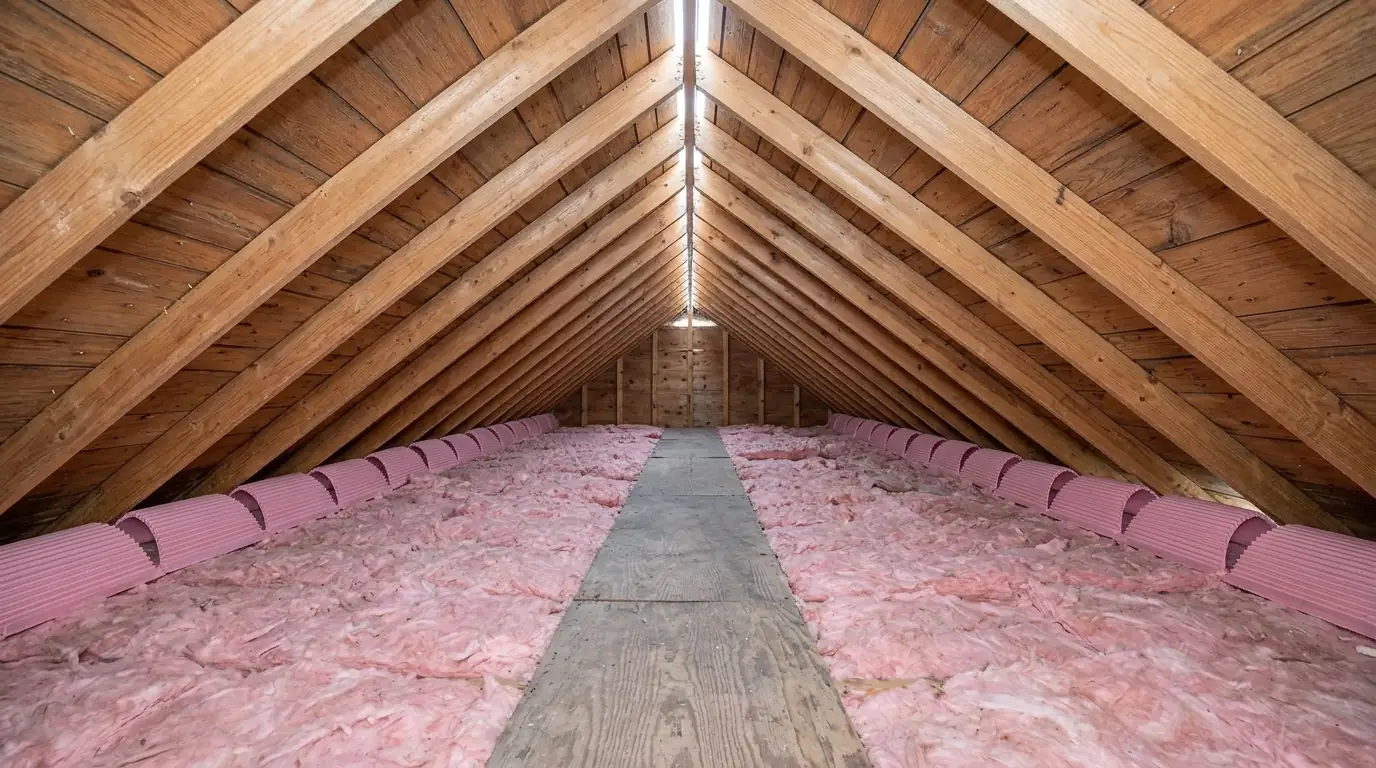
Why the best time to add a skylight is during a re-roof
Cutting a skylight into an existing roof means patching shingles around it, and older shingles rarely match perfectly. During a roof replacement, the shingles are off anyway, so we can frame the opening, wrap it in membrane and flash it as the new roof goes on. The result is cleaner, and you save a good part of the roofing labor on the skylight.
It's also the right time to deal with old skylights. A 25-year-old unit under a brand-new roof will likely leak or fog before the shingles wear out, and replacing it later means tearing into a new roof. We look at every existing skylight before a re-roof and tell you whether it can stay. If one only needs new flashing or a dome, our skylight repair work may be enough. If it's near the end, replacing it with the roof costs far less than doing it as a separate job later.
What a new skylight typically costs in the Dayton area
Skylight prices span a wide range because the unit, the framing and the interior shaft all vary. These are typical 2026 ranges for local homes.
| Job | Typical range | What it covers |
|---|---|---|
| Tubular skylight, 10 to 14 inch | $685 to $1,340 | Unit, flashing, tube through attic, ceiling diffuser |
| Replace a skylight in an existing opening | $1,280 to $2,460 | New deck-mounted unit, flashing kit, interior trim touch-up |
| New fixed skylight with framed opening | $2,870 to $5,640 | Framing, unit, flashing, insulated drywall shaft |
| Solar-powered venting skylight, new opening | $3,180 to $6,280 | Rain sensor, remote, shaft and finish |
| Add a skylight during a roof replacement | $1,140 to $3,260 | Lower roofing labor since shingles are already off |
These are typical Dayton-area ranges and depend on the unit, roof pitch and interior work; we price your job after looking at the roof and attic. See more on our Dayton roofing price guide.
- Fixed, manual or solar ventingVenting units cost more but earn their keep in bathrooms and lofts.
- Size and glass optionsLarger units and laminated or low-E glass add cost.
- Attic depthA deep attic needs a longer shaft with more framing and drywall.
- Rafter changesOpenings wider than the rafter bay need headers and sistering.
- Interior finishingPainting and trim can be done by us or left for your own painter.
How we install a skylight from the attic to the shingles
A skylight touches framing, roofing and interior finish, so we sequence the work to keep weather out and dust down.
Plan the location inside and out
We locate rafters from the attic, check for wiring, ducts and plumbing in the way, and line up the opening with the room below. Then we mark both the roof and the ceiling.
Cut and frame the opening
We cut the roof deck and, when a rafter must be cut, add doubled headers and sistered rafters to carry the load. The opening is sized to the manufacturer's rough-opening spec.
Set the skylight square and level
The unit is fastened to the deck with its brackets and checked for square, so the sash and flashing seat properly. An out-of-square unit is a future leak.
Wrap with membrane and flash
Ice and water membrane goes up the sides and over the head of the unit. Then we install the flashing kit, weaving step flashing with each shingle course and finishing with the head flashing.
Build the light shaft
Inside, we frame the shaft from the ceiling to the roof opening, insulate its walls to keep condensation off, and hang drywall. We can splay the shaft to spread light wider into the room.
Test and document
We water-test the skylight from the roof, check the interior for any drips, and send you photos of every layer from membrane to finished shingles.
Rooms and roofs where a skylight makes sense
Not every room or roof is a good fit. These are the situations where homeowners around Dayton tend to be happiest with the result.
Interior bathrooms and hallways
Rooms without an exterior wall gain the most from daylight, and a tubular skylight often fits between rafters with no framing changes.
Kitchens in the middle of the house
Ranches and split-levels often have kitchens far from windows. A skylight over the work area brightens the counters all day.
Vaulted ceilings right under the roof
With no attic between ceiling and roof, there's no light shaft to build, which keeps cost and time down.
North-facing slopes for even light
North-facing skylights give soft, steady light without much heat gain. South and west units need shades or low-E glass.
Replacing an old curb-mounted bubble
Many 1980s acrylic domes have yellowed and cracked. Swapping them during a re-roof is the cleanest time to upgrade.
Upper rooms that need fresh air
A venting skylight in a bathroom or loft lets hot, humid air escape, and many models close automatically when a rain sensor gets wet.
Skylights on Dayton-area ranches, split-levels and vaulted homes
Postwar ranches across Kettering and West Carrollton are prime candidates for tubular skylights. Their long, low rooflines leave interior bathrooms and hallways far from any window, and the shallow attics make for short tube runs. Many of these homes have low-pitch roofs, so we pay extra attention to flashing details and membrane coverage where water moves slowly.
In Centerville, Washington Township and Beavercreek, many 1980s and 1990s homes came with vaulted great rooms and the curb-mounted skylights of that era. Those units are now reaching the end of their seals, and replacements are a common request. Older city homes with deep attics and steep pitches can take skylights too, but the light shafts get long, so we plan splayed shafts to spread daylight. Dayton winters bring snow loads and freeze-thaw cycles that test every flashing joint, which is why we never skip the membrane.
Where we do skylight installation most often
These neighborhoods, suburbs and cities make up most of our skylight installation calls. Each link opens the local page with its ZIP.
Questions about skylight installation in Dayton
Will a new skylight leak during a heavy Dayton thunderstorm?
A properly flashed skylight shouldn't. Most leaks we repair trace back to missing membrane, reused flashing or sealant used in place of metal. We install the manufacturer's kit with membrane underneath and water-test before we leave. Condensation is a separate issue, and an insulated shaft plus good bathroom ventilation keeps it under control.
How long does it take to install a skylight in an existing roof?
A tubular skylight usually takes three to four hours. A full skylight with a new framed opening and drywall shaft typically takes one to two days, with the roof closed and watertight by the end of the first day. Drywall finishing and paint can add a day for drying time.
Can you put a skylight in a low-slope roof?
Often, with the right unit. Many deck-mounted skylights call for a minimum pitch around 3 in 12, while curb-mounted units on a raised curb can go lower. Below those limits, we may suggest a different approach. We check the manufacturer's minimum pitch for each unit before recommending it for your roof.
Do skylights make a room too hot during Ohio summers?
They can if they face south or west with clear glass. Low-E coated glass, blinds, and north or east placement cut heat gain a lot. Venting skylights also let hot air escape from upper rooms. For a sunny slope, we usually suggest a smaller unit with shades rather than skipping daylight entirely.
Can I add a skylight to a room with a flat ceiling and an attic above?
Yes. We build a light shaft through the attic from the roof opening down to the ceiling, and the shaft walls get framed, insulated and drywalled. The deeper the attic, the longer the shaft, so tubular skylights are often the practical choice in low-pitch ranches with flat ceilings.
Is a solar-powered venting skylight worth the extra cost?
In bathrooms, kitchens and lofts, often yes. It lets humid or hot air out with a remote, needs no wiring, and many models close automatically when a rain sensor gets wet. In living rooms or hallways where you'd rarely open it, a fixed unit gives the same light for less money.
Do I need a building permit to add a skylight in Dayton or Kettering?
Often, yes. Cutting a new opening and altering rafters is structural work, which local building departments commonly treat as permit work. Swapping a skylight in the same opening may need less, and the rules differ between Dayton, Kettering and the surrounding townships. We check with the jurisdiction before the job and pull the permit where one is required.
Other roofing work that often goes with this job
Product lines we install on roofs around Dayton include shingles from GAF, Owens Corning and CertainTeed, metal from Englert, membranes from Carlisle SynTec and skylights from VELUX.
Need skylight installation today?
Call any hour. A person answers, asks a few questions and sets a time for a roofer to come out.