Roof Inspection in Dayton, OH With a Photo Report
We walk every slope we can safely reach, check the attic from the inside, and send you a dated photo report with plain notes on each problem. A person answers our phone 24/7, so you can set a visit any hour.
- Answered 24/7
- Photo report on every visit
- Dayton and the Miami Valley
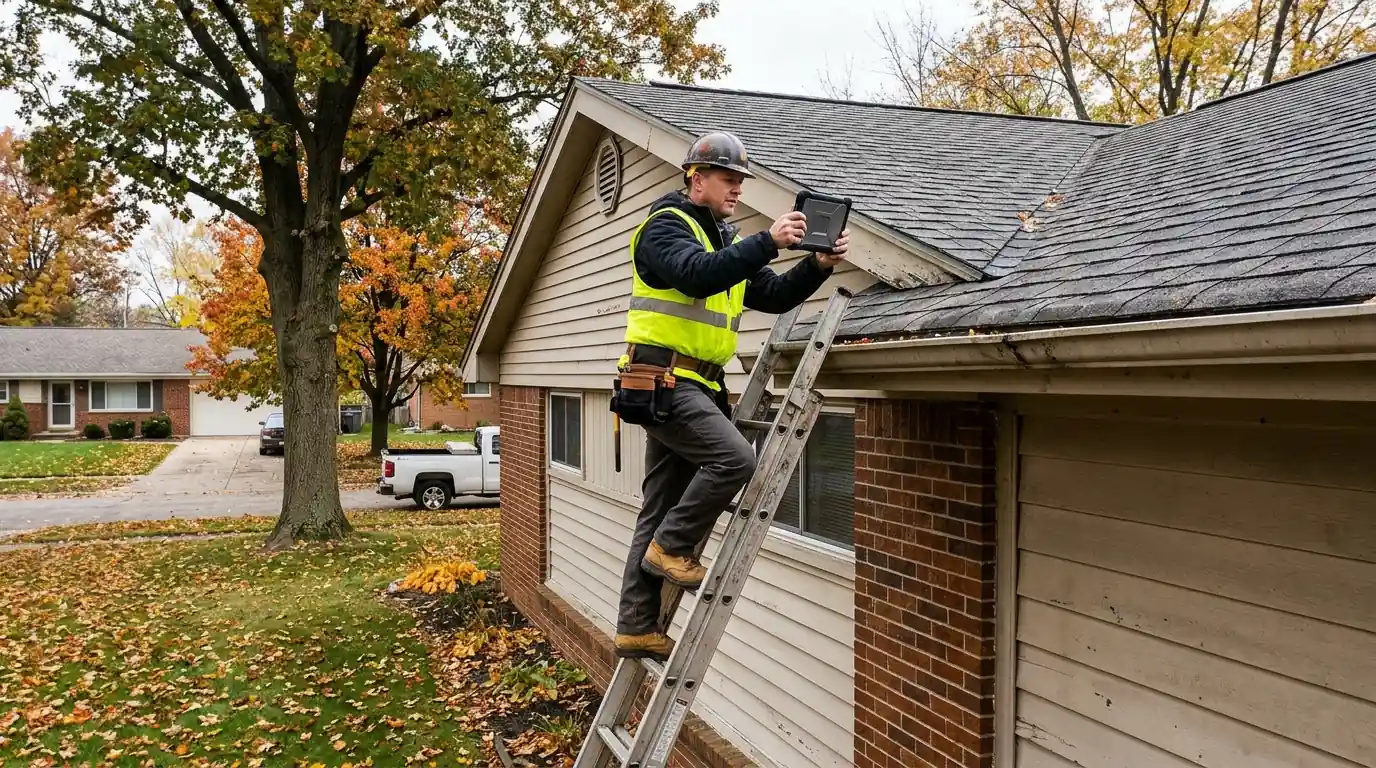
A roof inspection in the Dayton area typically runs $145 to $285 for a single-family home with a written photo report, more for steep or very large roofs. Our inspector walks the roof, checks flashing, vents, decking and gutters, looks in the attic for leaks and ventilation problems, and tells you which issues need action now and which can wait.
Roofs around the Miami Valley rarely give out in one dramatic moment. They give out a seam at a time: a pipe boot cracks, a nail backs out under a shingle, a flashing joint opens after a few winters of freeze and thaw. An inspection is how you find those small failures while they cost a few hundred dollars instead of a ceiling. We look at the roof the way water does, starting at the ridge and following every path down to the gutters, then we go inside the attic to see whether any of it is getting through.
You get the results as a photo report, not a verbal shrug from the ladder. Each photo is labeled with the slope and the problem, and we sort findings into three groups: fix now, watch, and fine for years. If you're weighing a targeted repair against a full replacement, the report gives you the facts to decide. We don't pad it with scare photos, and we'll tell you plainly when a roof has plenty of life left in it.
When a Dayton homeowner should book a roof inspection
Some reasons are obvious, like a fresh stain on the ceiling. Others are quieter, and those are the ones that save the most money when caught early.
Your roof is past 15 years
Architectural shingles in our climate often start losing granules and sealant strength in their second decade, so a look every year or two pays off from here.
A storm passed through with wind or hail
Even with nothing on the lawn, wind can break the seal strip under shingles and hail can bruise them without marks you can see from the ground.
You just bought the house
A general home inspector often views the roof from the ground or a ladder. We get on it, and we go into the attic with a light.
Granules are piling up in the gutters
Some shedding is normal on a new roof. Heavy granule loss on an older roof means the asphalt underneath is exposed to sun and aging fast.
Shingles look wavy or the ridge sags
Waves often trace back to moisture in the decking or poor attic ventilation, and both get worse every season they are ignored.
You smell must or see stains in the attic
Dark rings on rafters, rusty nail tips or damp insulation point to a slow leak or condensation that a ceiling may hide for months.
Why the attic tells us more than the shingles do
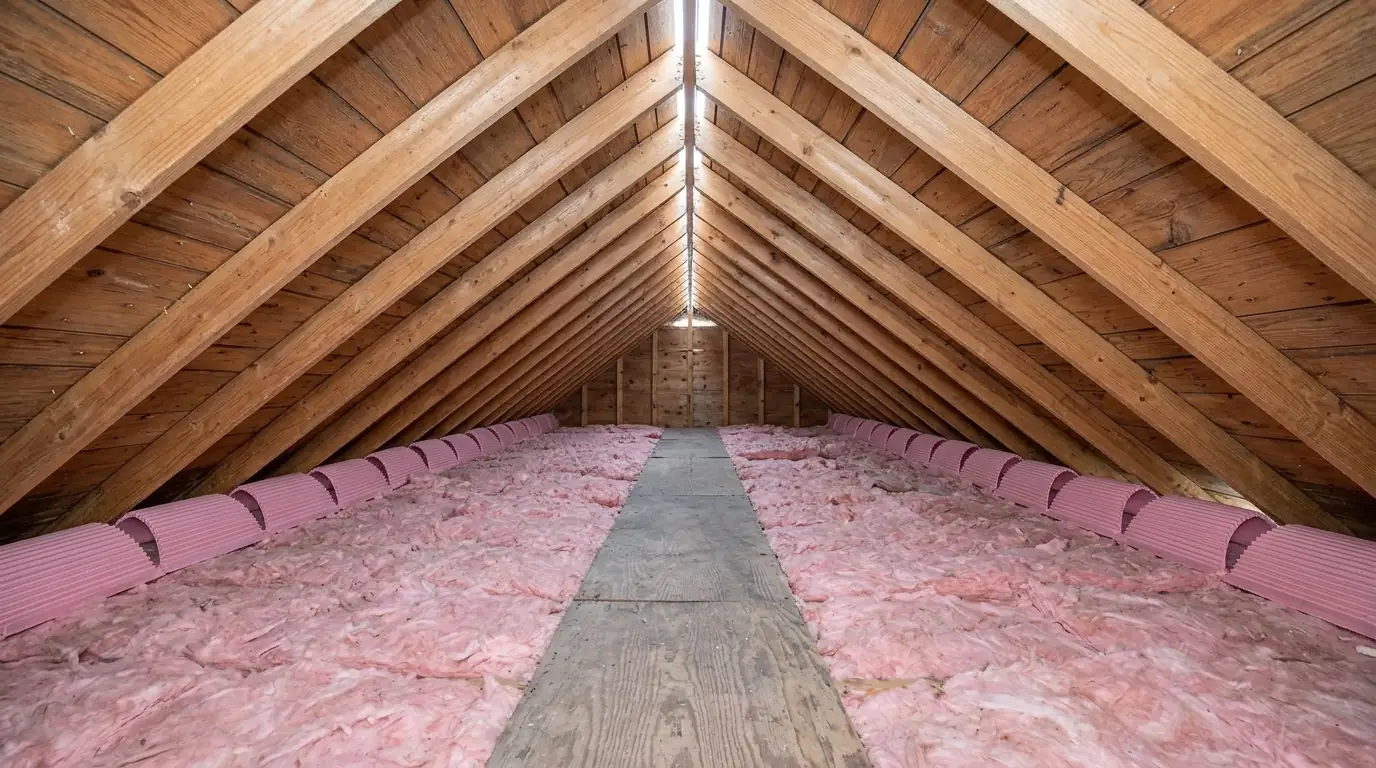
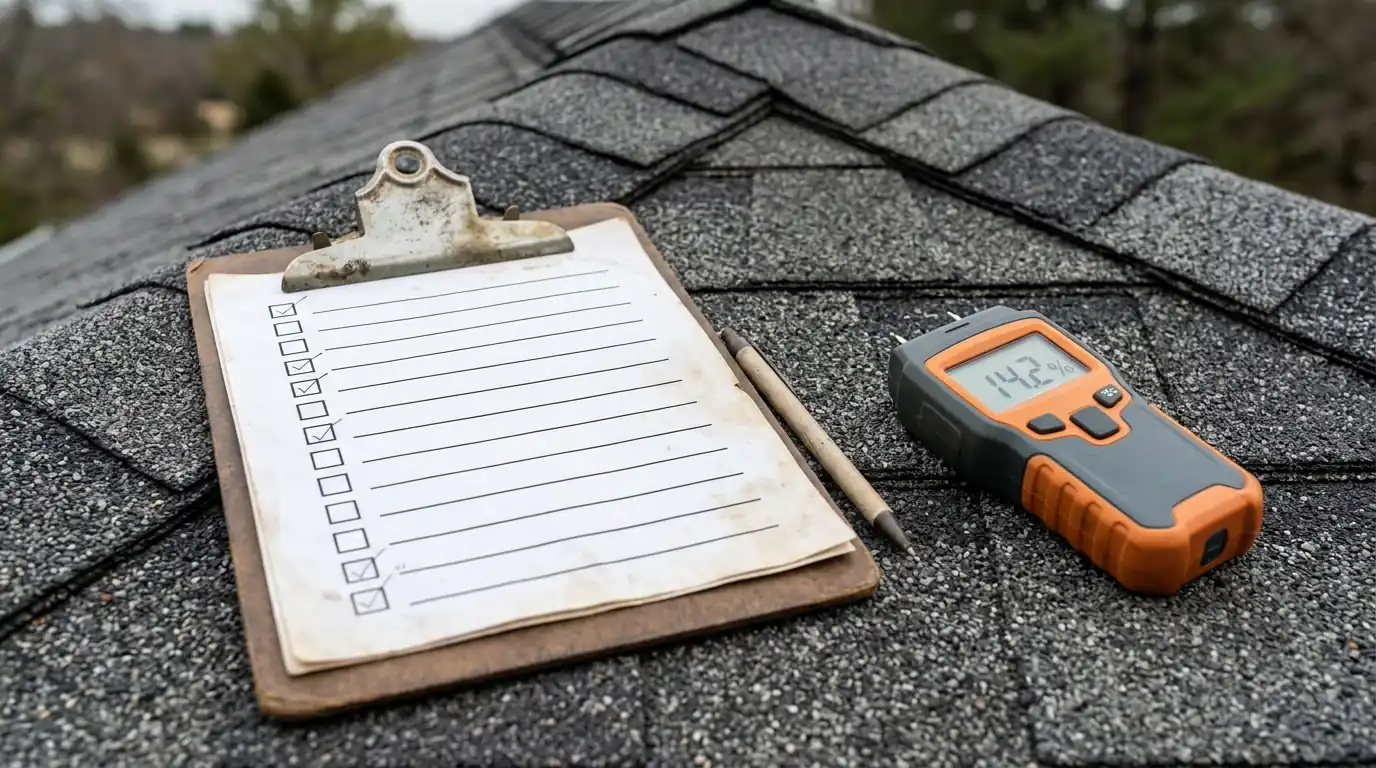
From the outside, a roof can look fine for years while trouble builds underneath. The attic shows what the shingles can't. Water stains on the underside of the decking, frost on nail tips in January, and blackened plywood near the ridge all reveal problems that are invisible from above. We bring a moisture meter and a strong light, and we check the decking around every chimney, vent stack and valley from the inside.
Ventilation is the other big finding. Many Miami Valley homes from the 1950s through the 1980s have a few box vents and painted-over soffits, which traps hot, humid air. That heat bakes shingles from below in July and melts snow unevenly in winter, which feeds ice dams. If your attic is the real problem, we say so and point you toward attic ventilation fixes before anyone talks about new shingles.
- Stains or dark rings on decking and rafters
- Rusty or frosted nail tips
- Damp, matted or compressed insulation
- Bathroom fans venting into the attic instead of outside
- Blocked soffit vents or missing baffles
Fix now, watch, or leave alone: how we sort what we find
An inspection report is only useful if it helps you set priorities. We sort every finding into one of three groups. Fix now covers anything letting water in, or likely to within a season, like a split pipe boot, a lifted flashing seam or missing shingles. Watch covers aging that isn't urgent yet, such as moderate granule loss or sealant that's starting to dry. Fine covers parts of the roof in good shape, and we photograph those too, so you have a baseline.
That baseline matters next time. If you call us after a storm two years from now, we can compare new photos against the old ones and show exactly what changed. It also helps if you sell the house, since buyers and their agents tend to trust dated photos more than a seller's memory. You can read the full checklist in our article on what a real inspection covers.
What our inspector checks, from the ridge down to the attic
A good inspection follows a set order, so nothing gets skipped on a hot afternoon. Here's how ours runs on a typical Dayton house.
Ground walk and gutters
We start by circling the house, looking at the roofline for sags, checking gutters and downspouts, and noting fascia rot or soffit gaps. Granule buildup at the downspout outlets tells us a lot before we ever set a ladder.
Field shingles, slope by slope
On the roof, we walk each slope and lift tabs in a few places to check seal strength and nail placement. We look for creases from wind, soft bruises from hail, blistering, cracking and exposed mat.
Flashing and penetrations
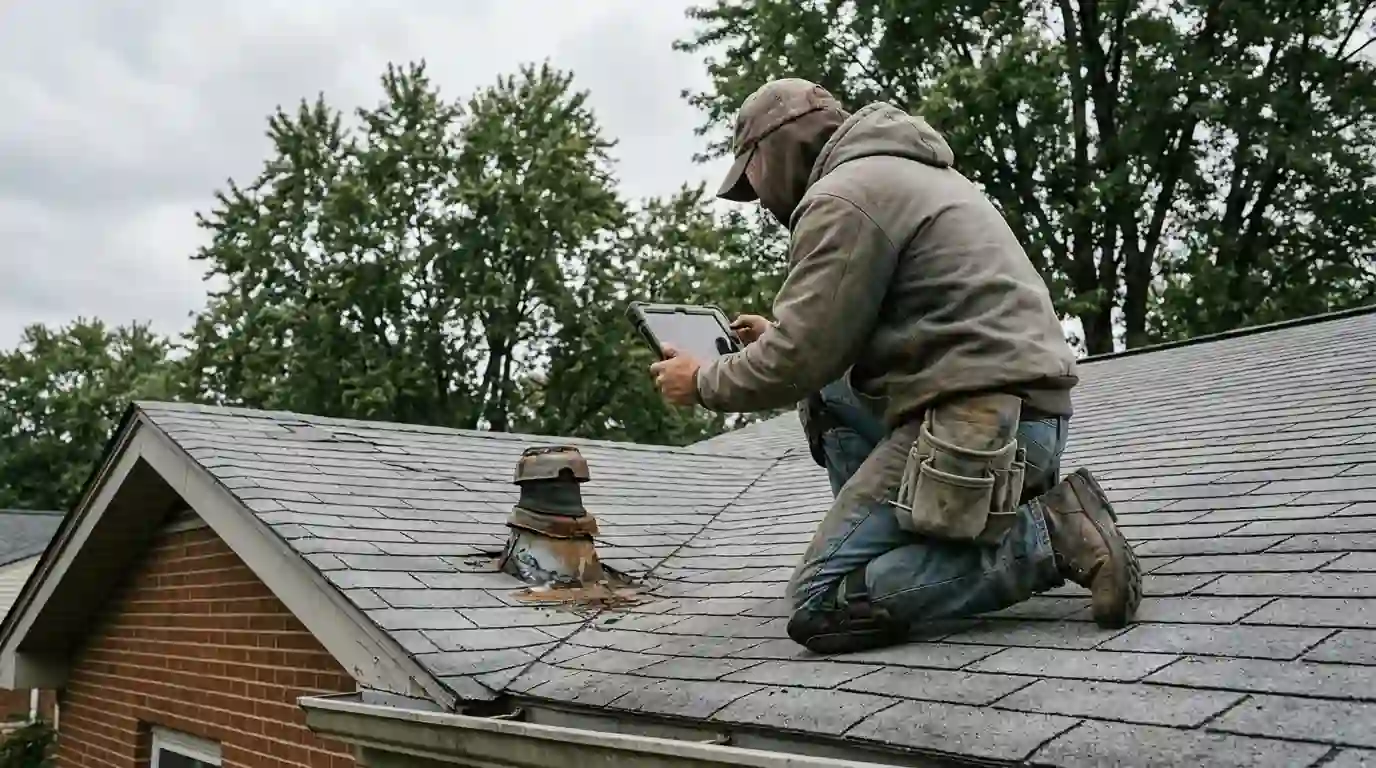
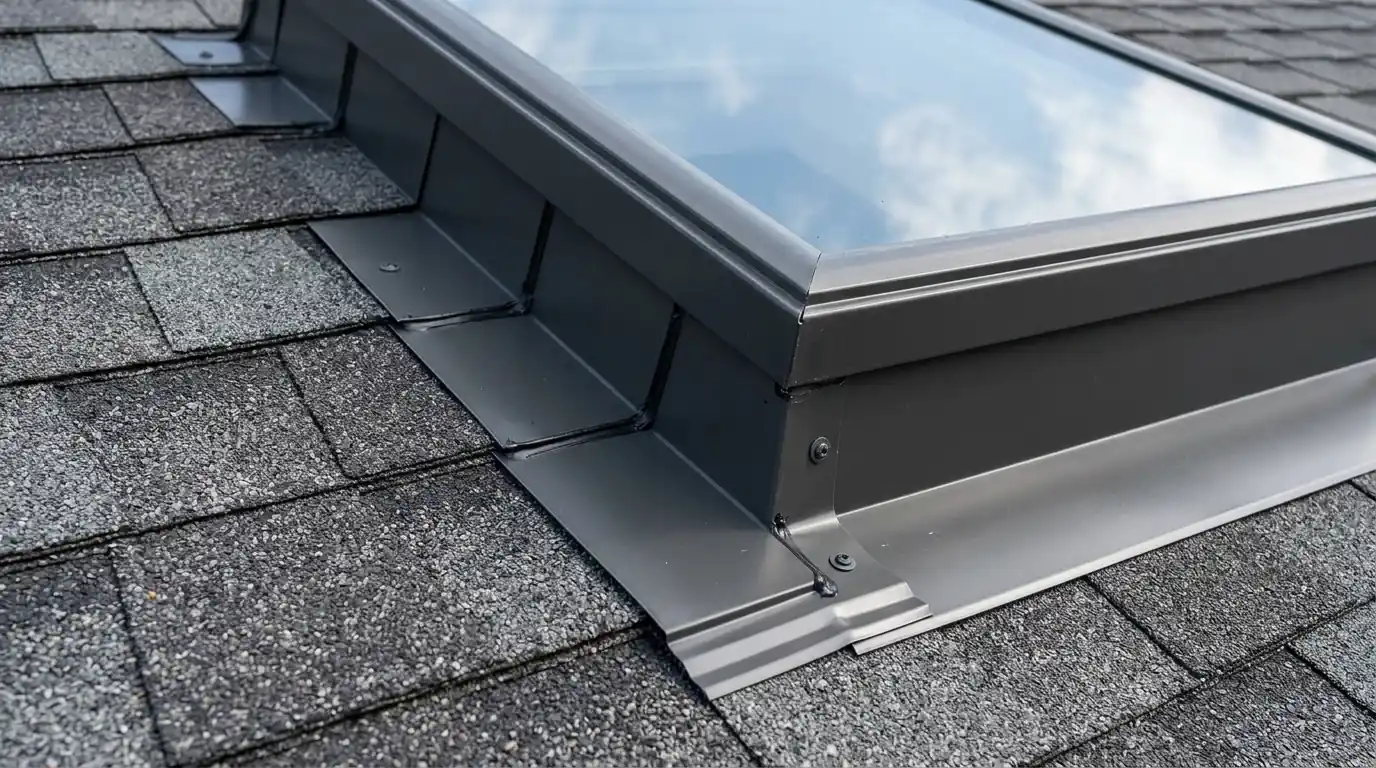
Most leaks start where something passes through the roof. We check chimney flashing, step flashing at walls, pipe boots, exhaust caps and skylight curbs, and we photograph every sealant joint that has split.
Valleys, ridge and edges
Valleys carry the most water and fail first when debris sits in them. We also check the ridge cap, the drip edge and the first course at the eaves, where ice dams do their damage.
Decking feel and attic check
Soft spots underfoot mean wet or delaminated decking. Inside the attic, we look at the underside of the sheathing, measure vent openings and check insulation for compression or moisture.
Photo report and plain talk
Within a day, we send labeled photos with notes and typical cost ranges for anything that needs work. Then we answer your questions by phone, with no pressure to book anything.
What a roof inspection costs in the Dayton area
Inspection fees depend mostly on roof size, pitch and whether we need special equipment to see every slope. These are typical local ranges, not quotes.
| Job | Typical range | What it covers |
|---|---|---|
| Standard inspection, single-family home | $145 to $285 | Roof walk, gutters, flashing, photo report |
| Inspection with full attic evaluation | $195 to $365 | Adds ventilation measurements, moisture checks, insulation notes |
| Steep or tall roof needing roof jacks or a drone | $215 to $395 | Photo coverage of slopes too steep to walk safely |
| Low-slope or flat roof section | $165 to $340 | Seam checks, ponding notes, membrane condition |
| Multi-unit or small commercial building | $385 to $865 | Per building, depends on roof area and access |
These ranges reflect typical Dayton-area pricing in 2026 and depend on access, size and material; we give you the actual figure before we come out. See more on our Dayton roofing price guide.
- Pitch and heightA two-story house with a steep 10 in 12 pitch takes more setup and safety gear than a single-story ranch.
- Roof size and number of slopesCut-up roofs with dormers, valleys and several chimneys simply take longer to document properly.
- Attic accessA pull-down attic stair is quick. A small scuttle hole in a closet ceiling, or no access at all, adds time.
- Roofing materialSlate, tile and old cedar need careful footing or a drone. Asphalt shingles are the quickest to walk.
- Report detail neededA homeowner check is simpler than a report written for a lender, a buyer or an insurance claim.
Roofs we inspect most often across Dayton and its suburbs
The Miami Valley has a wide spread of housing ages, and each era has its own weak points. In Kettering, the 1950s and 1960s ranches and Cape Cods often carry their second or third roof, sometimes laid over an older layer, so we look closely at decking and attic airflow there. In Oakwood and the Dayton View neighborhoods, slate and clay tile roofs on early 1900s homes need a careful eye on flashing and fasteners more than on the stone itself.
Newer subdivisions in Centerville and Washington Township tend to have complex rooflines with many valleys, which collect leaves from maturing trees. Across the region, our weather does the rest: spring hail, summer thunderstorms with straight-line winds, and dozens of freeze-thaw cycles each winter. A roof here earns a check after any big storm and every couple of years once it passes the midpoint of its life.
Where we do roof inspection most often
These neighborhoods, suburbs and cities make up most of our roof inspection calls. Each link opens the local page with its ZIP.
Questions about roof inspection in Dayton
How much time should I set aside for a roof and attic inspection?
Most single-family homes take 45 minutes to an hour and a half on site. A simple ranch with a pull-down attic stair is on the quick end. A two-story with several chimneys, dormers or a slate section takes longer. We send the photo report within a day, and sooner if you have an active leak or a closing deadline.
Does someone need to be home for the attic part of a roof inspection?
Not for the roof itself. We do need someone to let us into the attic, since that part of the inspection happens inside. Many homeowners join us for the last ten minutes so we can walk through the photos together on a tablet. If you can't be there, we'll go over the report with you by phone.
Can you inspect a roof in winter when there's snow on it?
Light frost or a dusting is workable, but we won't walk a roof covered in snow or ice, because we can't see the shingles and the footing is unsafe. In those weeks we can still do the attic and ground portions, then return for the roof after a thaw. Dayton usually gets a few clear stretches even in January.
Is a drone roof inspection as good as walking the roof?
A drone is great for steep, tall or fragile roofs like slate, and it captures clear overhead photos. It can't lift a shingle tab, feel soft decking or test a seal strip. We walk any roof that's safe to walk and use the drone to fill in what we can't reach, so you get the benefits of both.
Will you try to sell me a new roof during the inspection?
No. Our report sorts findings into fix now, watch, and fine, and many roofs we inspect need only small repairs or nothing at all. If replacement does make sense, we explain why with photos and the decision stays yours. We'd rather earn your call when the time is actually right.
How often should a roof in the Miami Valley get inspected?
Every two or three years for a roof under 12 years old, and every year after that or after any storm with hail or strong wind. Roofs under big trees, low-slope sections, and slate or tile roofs benefit from yearly checks no matter their age, since debris and flashing wear catch up with them faster.
Other roofing work that often goes with this job
Roof Maintenance
Inspections, Ventilation & Skylights
See roof maintenanceRoof Repair
Roof Repair & Storm Damage
See roof repairAttic Ventilation
Inspections, Ventilation & Skylights
See attic ventilationRoof Certification for Home Sales
Inspections, Ventilation & Skylights
See roof certification for home sales
Product lines we install on roofs around Dayton include shingles from GAF, Owens Corning and CertainTeed, metal from Englert, membranes from Carlisle SynTec and skylights from VELUX.
Need roof inspection today?
Call any hour. A person answers, asks a few questions and sets a time for a roofer to come out.