Pipe Boot and Roof Vent Repair in Dayton, OH
A cracked rubber pipe boot is one of the cheapest roof leaks to fix and one of the most common. We replace failed boots, box vents and exhaust caps with longer-lasting parts and send you before-and-after photos.
- Answered 24/7
- Photo report on every visit
- Dayton and the Miami Valley
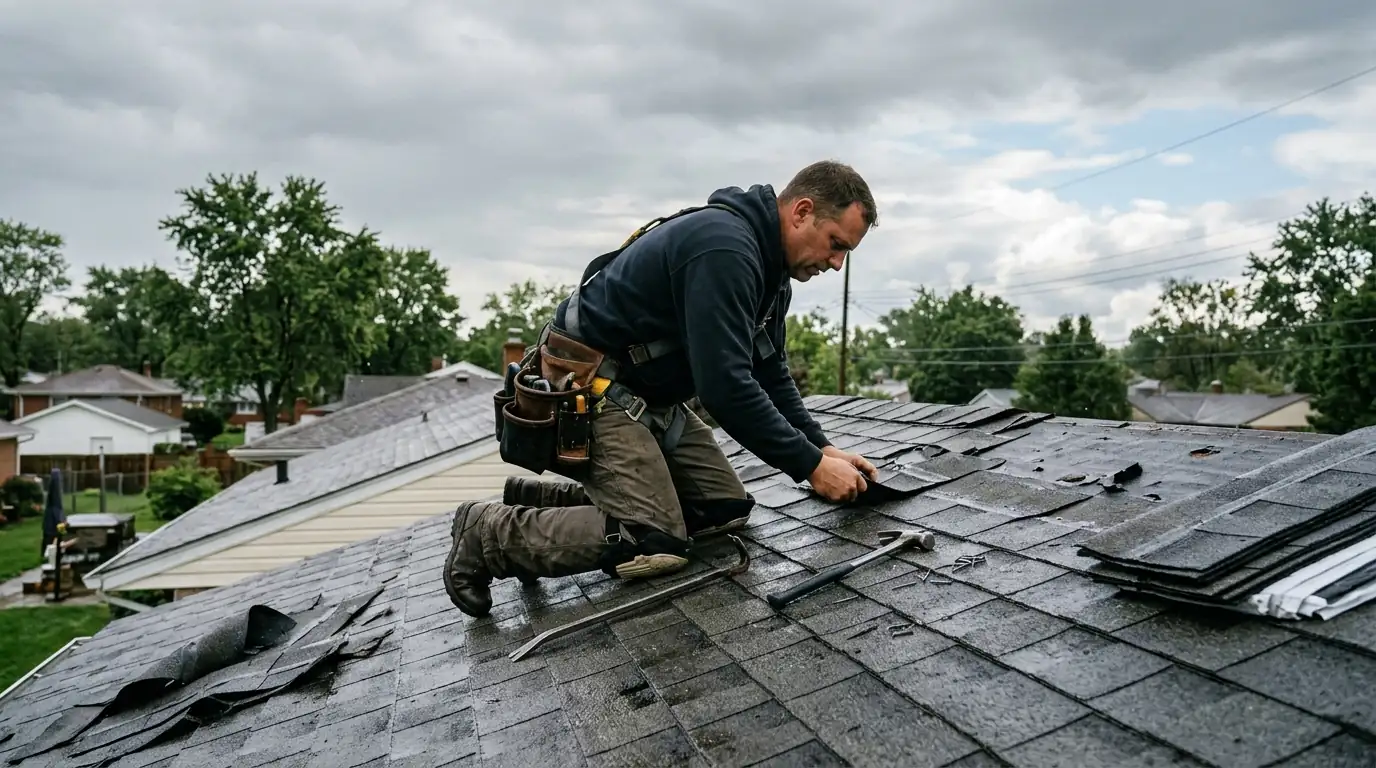
Replacing a pipe boot on a Dayton-area roof typically costs $165 to $385, and several boots on the same visit run $345 to $790. Box vent and exhaust cap replacements usually fall between $235 and $610. The job involves lifting the shingles around the penetration, swapping the old flashing for a new unit sized to the pipe, and resealing so water sheds over it.
Every roof has holes in it on purpose. Plumbing vent stacks, bath and kitchen exhaust ducts, attic box vents, furnace flues and radon pipes all pass through the deck, and each one needs a flashing collar to keep water out. Those collars are small and inexpensive, but they take a beating. Rubber boots bake in the summer sun and crack, plastic vent caps turn brittle and split, and lead flashing gets chewed by squirrels.
When one fails, the leak often looks worse than the fix. Water follows the pipe down into a wall or drips on the bathroom ceiling, and homeowners expect a big repair bill. Most of the time, the answer is a new boot or vent cap installed properly, a short visit and a modest cost. We pay attention to why the old part failed, though, because the right replacement can last as long as the shingles around it. If you're not sure the vent is the source, our roof leak tracing process starts in the attic and finds it.
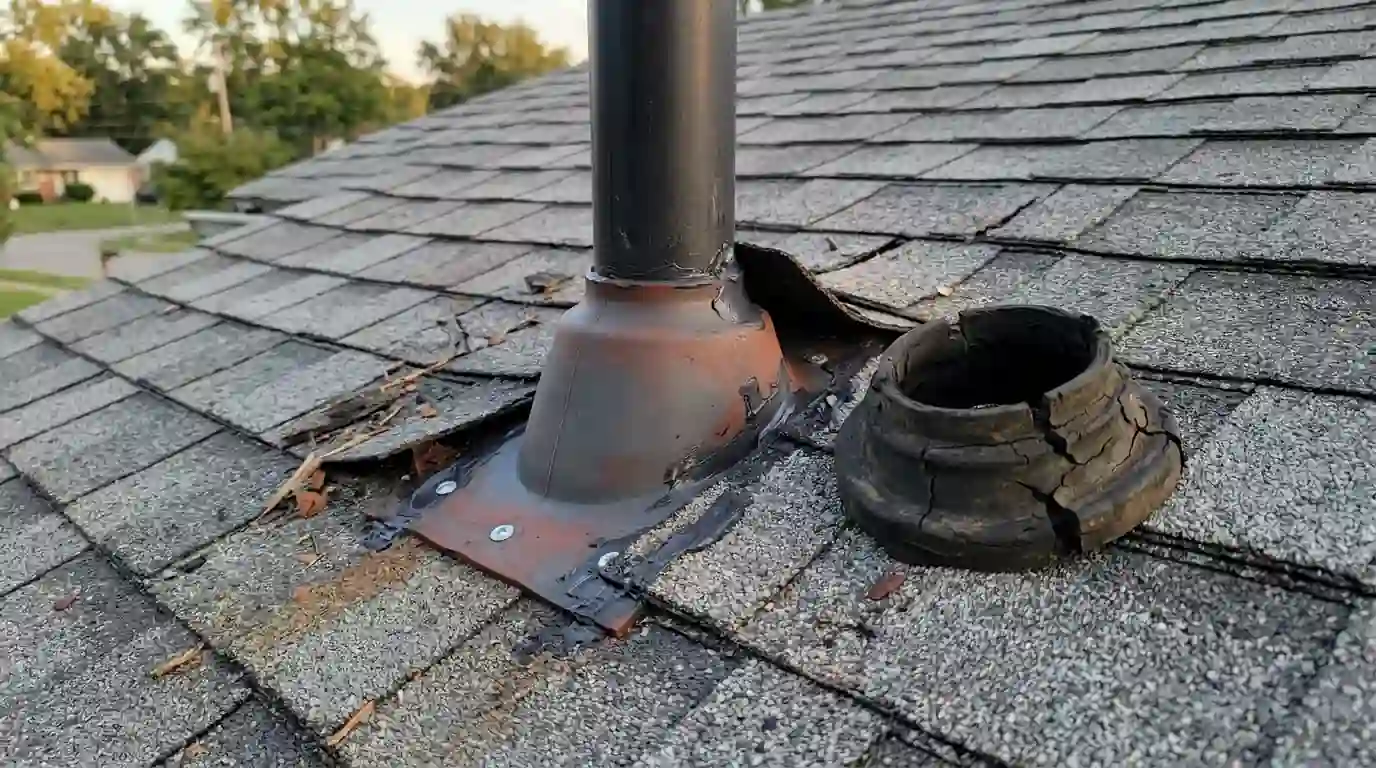
Neoprene, lead, silicone or metal: picking a pipe boot that lasts
The standard pipe boot on most Dayton roofs is a metal or plastic base with a neoprene rubber collar. It's inexpensive and works well at first, but the rubber is often the first part of the roof to fail. On south and west slopes, many crack within 8 to 12 years, well before the shingles wear out.
Better options exist for nearly the same labor. Silicone collars resist UV much longer than neoprene. Lead boots, common on older roofs, last for decades and fold down into the pipe for a tight seal, though squirrels can chew them. Some boots use a replaceable collar on a heavy metal base, so the rubber can be swapped later without lifting shingles. We'll recommend the right one for your roof and pipe.
- Neoprene collar: lowest cost, shortest life in direct sun
- Silicone collar: better UV resistance, similar price to premium neoprene
- Lead boot: very long life, can be chewed by rodents
- Replaceable-collar boot: metal base stays put, collar can be swapped later
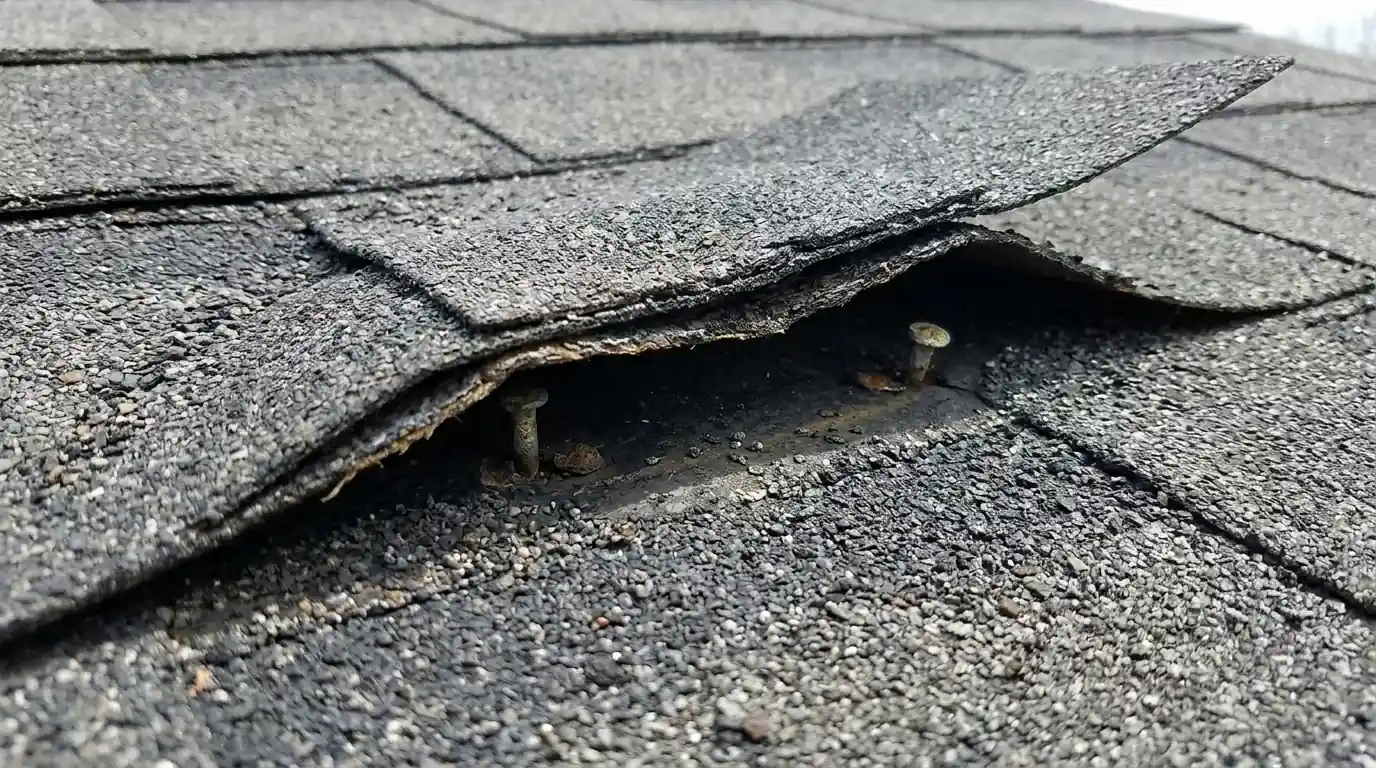
Box vents, turbines, power vents and exhaust caps on the roof
Pipe boots aren't the only penetrations that fail. Attic box vents, the square low-profile vents near the ridge, are often plastic and crack with age or hail. Turbine vents can seize or wobble on worn bearings, and their flashing loosens with the vibration. Power attic fans have motors and thermostats that wear out, and their flashing is wide enough to cause a sizable leak if it fails.
Exhaust caps for bath fans and kitchen hoods are another source. A missing damper lets cold air and snow in, and a disconnected duct sends warm, wet air into the attic instead of outside, which causes frost and stains. When we replace any vent, we also check how it fits into your overall attic ventilation setup. Mixing ridge vents with box vents or power fans can short-circuit airflow, and sometimes the better fix is removing a vent and patching the hole. Our article on failing attic ventilation covers the signs.
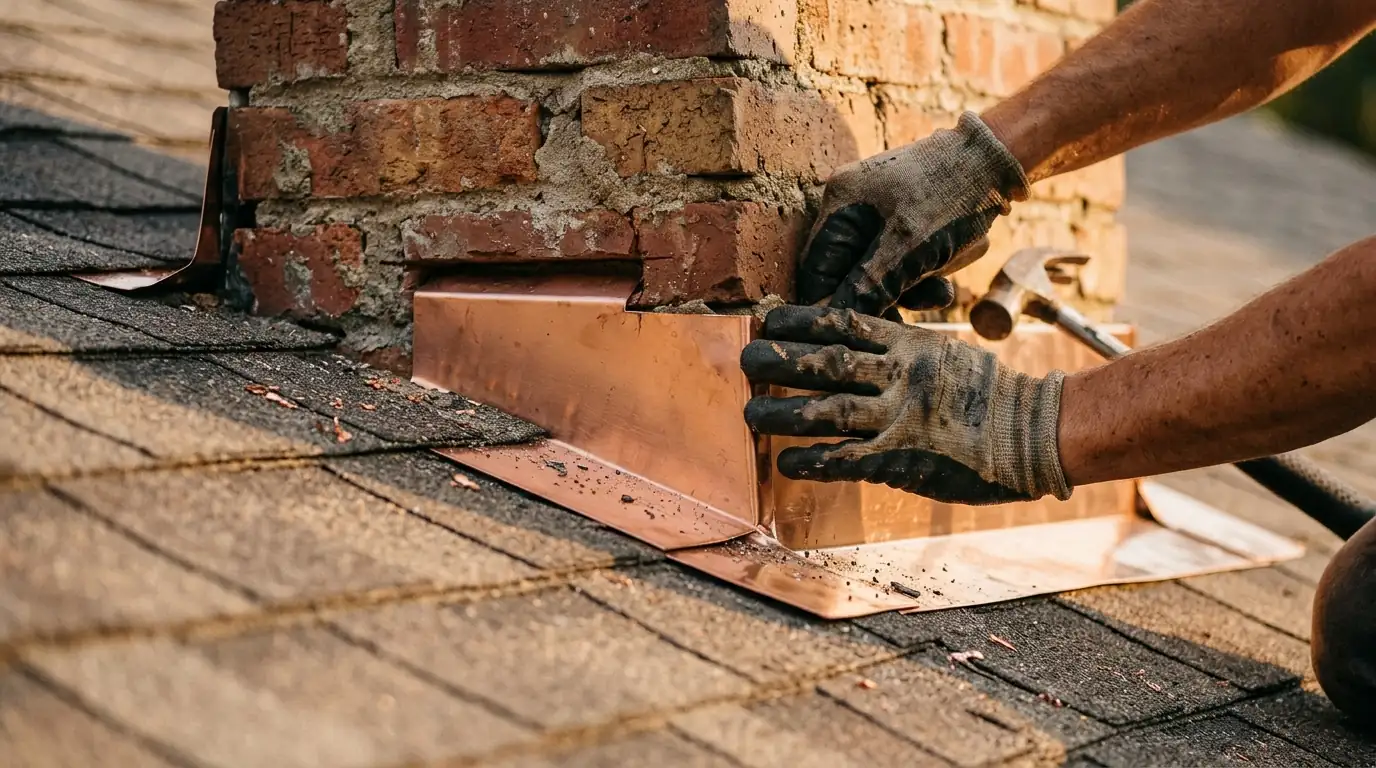
Pipe boot and roof vent repair prices in the Dayton area
Penetration repairs are among the most affordable roof fixes, and the figures below reflect what Dayton-area homeowners typically pay.
| Job | Typical range | What it covers |
|---|---|---|
| Single pipe boot replacement | $165 to $385 | Rubber, silicone or metal-base boot, shingles reset and sealed |
| Several pipe boots on one visit | $345 to $790 | Three to four boots replaced together |
| Lead or silicone boot upgrade | $215 to $465 | Per boot, longer-life material in place of a rubber collar |
| Box vent replacement | $235 to $560 | Per vent, with new flashing and shingles around it |
| Bath or kitchen exhaust cap replacement | $260 to $610 | New roof cap with damper, duct connection checked |
| Turbine or power vent replacement | $385 to $945 | Per unit, with flashing; power vents may need an electrician |
These are typical Dayton-area ranges for 2026, not quotes; your price depends on the parts needed and what we find around the opening. See more on our Dayton roofing price guide.
- Number of penetrationsDoing several boots on one visit costs less per unit than coming back for each one.
- Boot materialSilicone, lead and metal-based boots cost more than rubber but last longer in direct sun.
- Deck damage around the holeLong-running boot leaks can rot the decking around the pipe, which adds a patch of new wood.
- Roof pitch and locationVents near the ridge of a steep roof take more setup than those near a low eave.
- Pipe conditionShort, cracked or loose vent pipes may need a plumbing fix before a boot can seal properly.
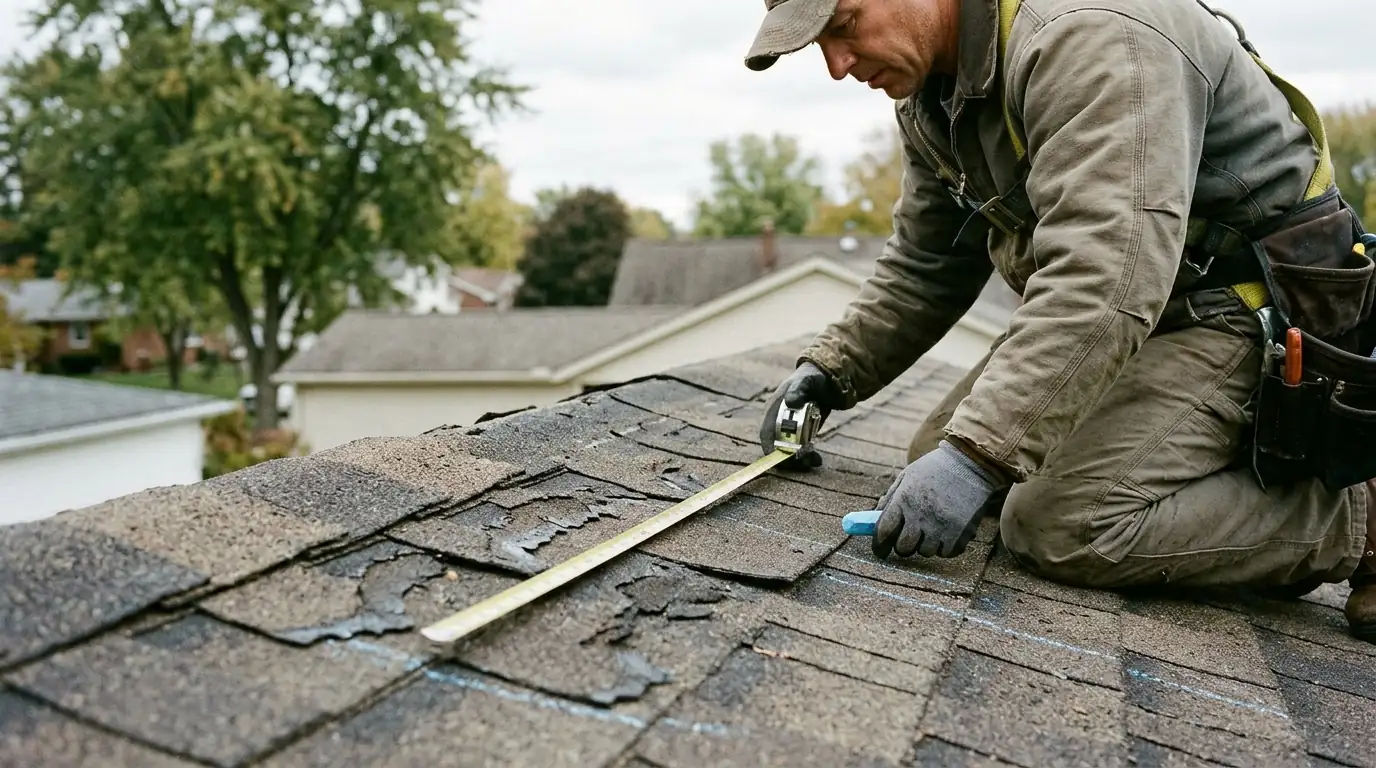
How we replace a pipe boot or vent so it outlasts the shingles around it
A good penetration repair takes about an hour per unit and comes down to sizing, layering and fastening. Here's how we do it.
Confirm the source from the attic
We check the pipe or duct from inside for water staining, rust or wet insulation. That confirms which penetration is leaking before we touch the roof.
Lift the shingles above the flashing
The shingles on the uphill side and sides are carefully unsealed and lifted, so the old flashing can come out without tearing good material.
Remove the old boot or vent
We pull nails and remove the old unit, then check the deck around the hole for soft spots and replace any rotted wood.
Fit a correctly sized replacement
Pipe boots come in sizes for 1.5-inch to 4-inch pipes. We match the boot to the pipe and the roof pitch so the collar seals tight without stretching.
Layer it like a shingle
The new flashing goes under the shingles on the uphill side and over them on the downhill side, so water flows across it rather than behind. Fasteners get sealed and covered.
Check the exhaust path and photograph
For bath and kitchen exhausts, we confirm the duct is connected to the cap and not dumping into the attic. Then we photograph the finished work for your report.
Small parts, big leaks: signs a pipe boot or roof vent is failing
Penetration leaks have a few telltale signs, inside and out. Binoculars from the yard can spot several of these.
Cracks in the rubber collar around a vent pipe
The rubber seal that hugs the pipe dries and splits with UV exposure. Even a hairline crack lets water run down the pipe into the house.
Stains on a ceiling or wall near a bathroom
Plumbing stacks usually run up through bathroom walls, so a failing boot often shows up near a bathroom or inside a wall cavity.
Chewed or torn lead flashing
Squirrels gnaw soft lead around vent pipes. Ragged edges or holes at the top of a lead boot mean water can get in.
Cracked or broken plastic vent caps
Plastic box vents and exhaust hoods become brittle after years in the sun, and hail or a falling branch can crack them easily.
Water dripping from a bath fan grille
This may be a leaking roof cap or condensation inside the duct. Either way, the exhaust path needs attention.
Rust around metal vent flashing
Old galvanized flashing around flues and vents rusts at the base, leaving gaps where water can run under the shingles.
Squirrels, sun and older plumbing stacks around the Miami Valley
The Miami Valley's tree cover is great for shade and hard on roof vents. In neighborhoods with mature oaks and maples, like Patterson Park and Linden Heights, squirrels have easy access to roofs, and lead pipe flashing is a favorite thing to chew. We see a lot of ragged lead boots there, along with vent caps cracked by falling limbs and acorns.
Sun exposure tells the other half of the story. Newer subdivisions with little tree cover, including many around Tipp City and other growing towns north of Dayton, put rubber boots in full sun all day, and they crack sooner. Older homes add their own quirks: cast-iron vent stacks that are too short above the roof, galvanized flashing that has rusted at the base, and abandoned vents from old gas appliances still poking through the shingles. Each one gets a different fix, from a taller pipe extension to removing the vent and decking over it. If several boots are aging at once, folding them into a roof maintenance visit saves a return trip.
Where we do pipe boot & roof vent repair most often
These neighborhoods, suburbs and cities make up most of our pipe boot & roof vent repair calls. Each link opens the local page with its ZIP.
Questions about pipe boot & roof vent repair in Dayton
How long do rubber pipe boots usually last on Dayton roofs?
Standard neoprene boots often last 8 to 15 years here, depending on sun exposure. On a south or west slope with no shade, they may crack sooner. On a shaded north slope, they can last longer. Since they often fail before the shingles, it's worth checking them from the ground with binoculars every couple of years, especially on roofs older than ten years.
Why are squirrels chewing the lead flashing on my plumbing vents?
Rodents gnaw constantly to keep their teeth worn down, and soft lead is easy to chew. Once they tear the top of the boot, water can run down the pipe. We usually replace chewed lead with a silicone or metal-reinforced boot that holds up better. In heavy squirrel areas, a pipe cap or guard can also help.
Can you just slide a rubber repair collar over my cracked pipe boot?
Slip-over repair collars exist and can work as a short-term fix if the boot's base is sound and lies flat under the shingles. They don't fix a rusted base, a poorly layered boot or rotted decking. On most calls, a full boot replacement costs only a little more and lasts much longer, so that's what we usually recommend.
Why does my bathroom exhaust fan drip water in the winter?
Often it's condensation, not a roof leak. Warm, moist bathroom air cools as it travels through an uninsulated duct in a cold attic, condenses, and runs back down to the fan. A missing damper at the roof cap can make it worse. The fix is usually insulated ducting, a proper roof cap and a short, sloped duct run.
Should I replace my pipe boots before my roof is due for replacement?
If they're cracked, yes. A failed boot can soak the deck long before the shingles wear out. Replacing them now costs little compared to repairing rotted wood later. If your roof is only a year or two from replacement and the boots are still sound, you can wait and have new ones installed with the new roof.
Is it a problem to have a ridge vent and box vents on the same roof?
It can be. Mixing exhaust vent types on one attic can cause air to flow from one exhaust vent to the other instead of drawing from the soffits. That short-circuits ventilation and can pull in rain or snow. We usually recommend one exhaust type and patching over the unused vents.
Other roofing work that often goes with this job
Product lines we install on roofs around Dayton include shingles from GAF, Owens Corning and CertainTeed, metal from Englert, membranes from Carlisle SynTec and skylights from VELUX.
Need pipe boot & roof vent repair today?
Call any hour. A person answers, asks a few questions and sets a time for a roofer to come out.