Roof Maintenance in Dayton, OH to Stretch Roof Life
Our maintenance visits clear debris, reseal tired flashing, swap cracked pipe boots and fix small problems before they turn into leaks. Each visit ends with a dated photo report, and a person answers our phone 24/7 if something pops up between visits.
- Answered 24/7
- Photo report on every visit
- Dayton and the Miami Valley
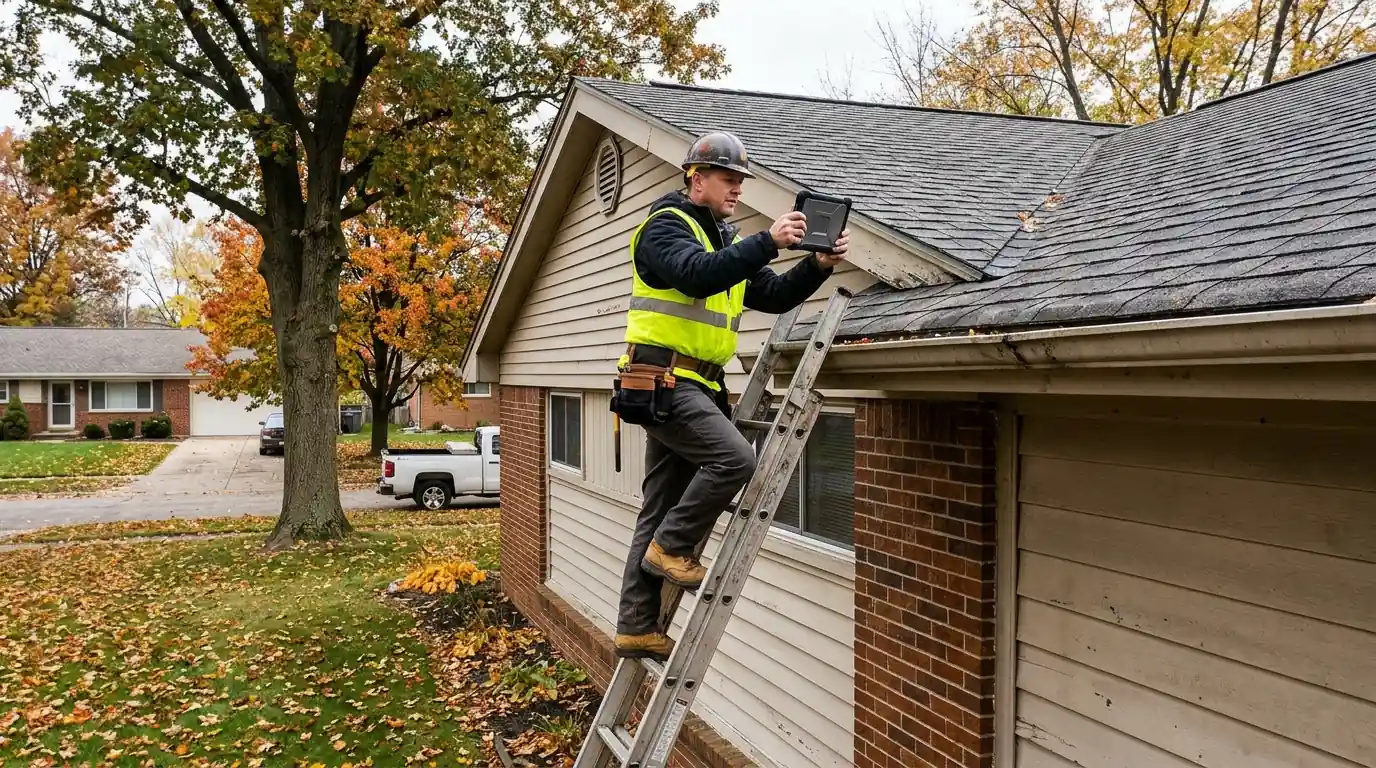
Roof maintenance in the Dayton area typically costs $235 to $485 for a single visit on a shingle roof, with small repairs like resealing flashing or replacing a pipe boot often handled the same day. Most roofs here do well with a fall visit after leaf drop, plus a spring check after hail season for older roofs or homes under heavy trees.
A roof gets very little attention until it leaks, and by then the damage is often in the decking and the ceiling. Maintenance flips that order. We visit on a set schedule, clean out what traps water, tighten what has loosened and replace the cheap parts that fail first. Pipe boots, sealant joints and exposed nail heads cost very little to fix on a dry afternoon. The same failures cost far more once water has been running behind them for a season.
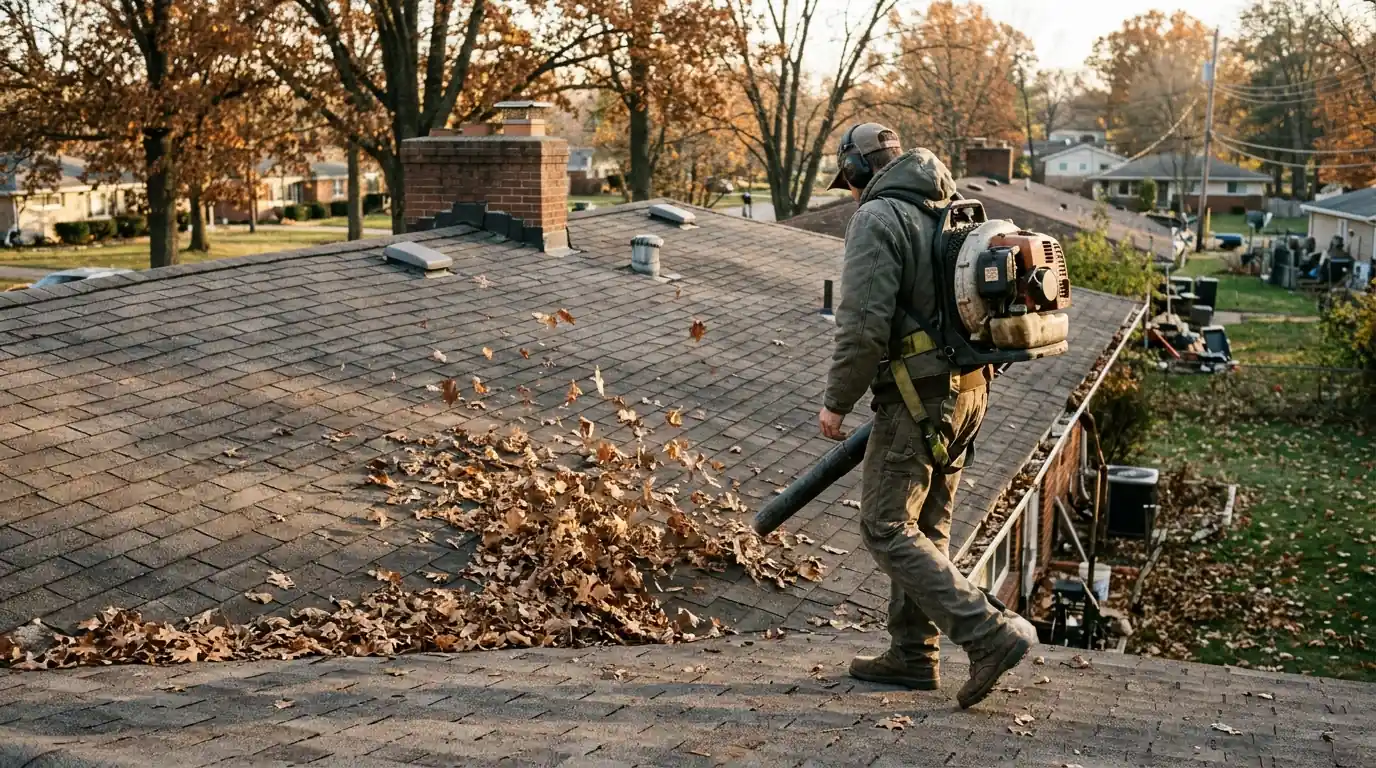
Most of the value is in small, boring tasks done consistently. We blow leaves and seed pods out of valleys, make sure gutters drain, reseal counterflashing at chimneys and reset any shingles the wind lifted. On flat sections we clear drains and check seams. We also photograph the same spots each visit, so you can watch wear change over the years instead of guessing. That record helps when you plan a replacement down the road, because you'll see it coming.
Roofs around Dayton that benefit most from regular upkeep
Every roof benefits from care, but some get much more out of it. If your house fits any of these, a maintenance visit pays back quickly.
Homes under mature oaks, maples or sweetgums
Leaves, twigs and seed pods pack into valleys and behind chimneys, holding moisture against shingles and feeding moss.
Roofs between 10 and 20 years old
This is when sealants dry out, boots crack and nails start backing out. Catching it now often adds years to the roof.
Houses with chimneys, skylights or dormers
Each of these adds flashing joints, and each joint is a place where water can find its way in.
Low-slope porches and additions
Flat and low-pitch sections hold water and debris longer than steep slopes, so they wear faster.
Rental and investment properties
Landlords rarely see the roof. A scheduled visit with photos keeps you informed without a trip up the ladder.
Slate and tile roofs on older homes
The stone may last a century, but the flashing, fasteners and gutters around it need regular attention.
A seasonal maintenance calendar that fits Ohio weather
Dayton weather sets the schedule. Fall is the most valuable visit, after the leaves are down but before the first hard freeze. Clear valleys and gutters going into winter reduce the backup that turns into ice dams in January. Spring is the second visit, ideally after the worst of hail season in May or June, when we look for storm bruises, check that winter didn't lift any flashing and replace anything freeze-thaw cracked.
Summer suits bigger planned work like boot replacement or reflashing a chimney, since sealants cure well in warm, dry weather. Winter visits are for emergencies only, and we'll still come out any hour for a leak. Between visits, a quick look from the ground after big storms helps: missing shingles, pieces in the yard and gutters pulled away from the fascia all deserve a call. For the ice side of winter, our ice dam guide explains what to watch.
- Late October to early December: main cleaning and flashing visit
- April to June: post-hail check and freeze-thaw repairs
- July to September: planned flashing and boot work
- Any time: a call after storms with wind or hail
What you can safely do yourself, and what to leave to us
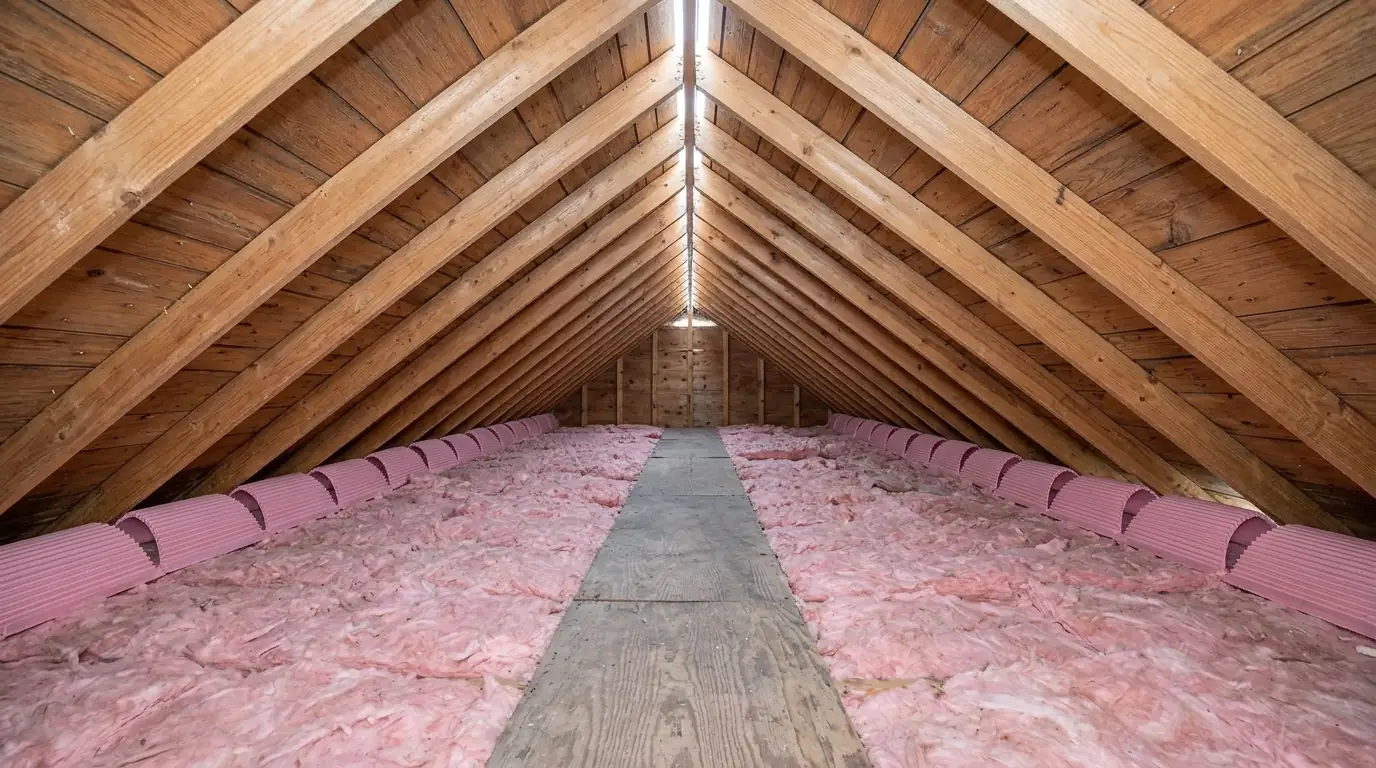
Some upkeep is fine from the ground or a ladder at the gutter line. You can clean gutters from a stable ladder, trim branches that hang over the roof with a pole saw, and look the roof over with binoculars after a storm. Inside, check the attic with a flashlight a couple of times a year for stains or wet insulation.
Walking the roof is where most homeowner injuries happen. Shingles are slick with dew in the morning, loose granules roll underfoot like ball bearings, and older roofs can hide soft decking. Pressure washing strips granules and can void manufacturer warranties, so skip it entirely. Smearing tar from a caulk tube over every joint usually traps water rather than stopping it. If a fix needs someone on the roof, call us and we'll handle it during a visit or as a standalone roof repair.
What a roof tune-up visit covers, step by step
Each visit follows the same routine, which is how we catch slow changes from one year to the next.
Clear valleys, gutters and roof surfaces
We remove leaves, branches and seed pods from valleys, behind chimneys and around skylights. Then we flush the downspouts so water leaves the roof quickly.
Inspect and reseal flashing
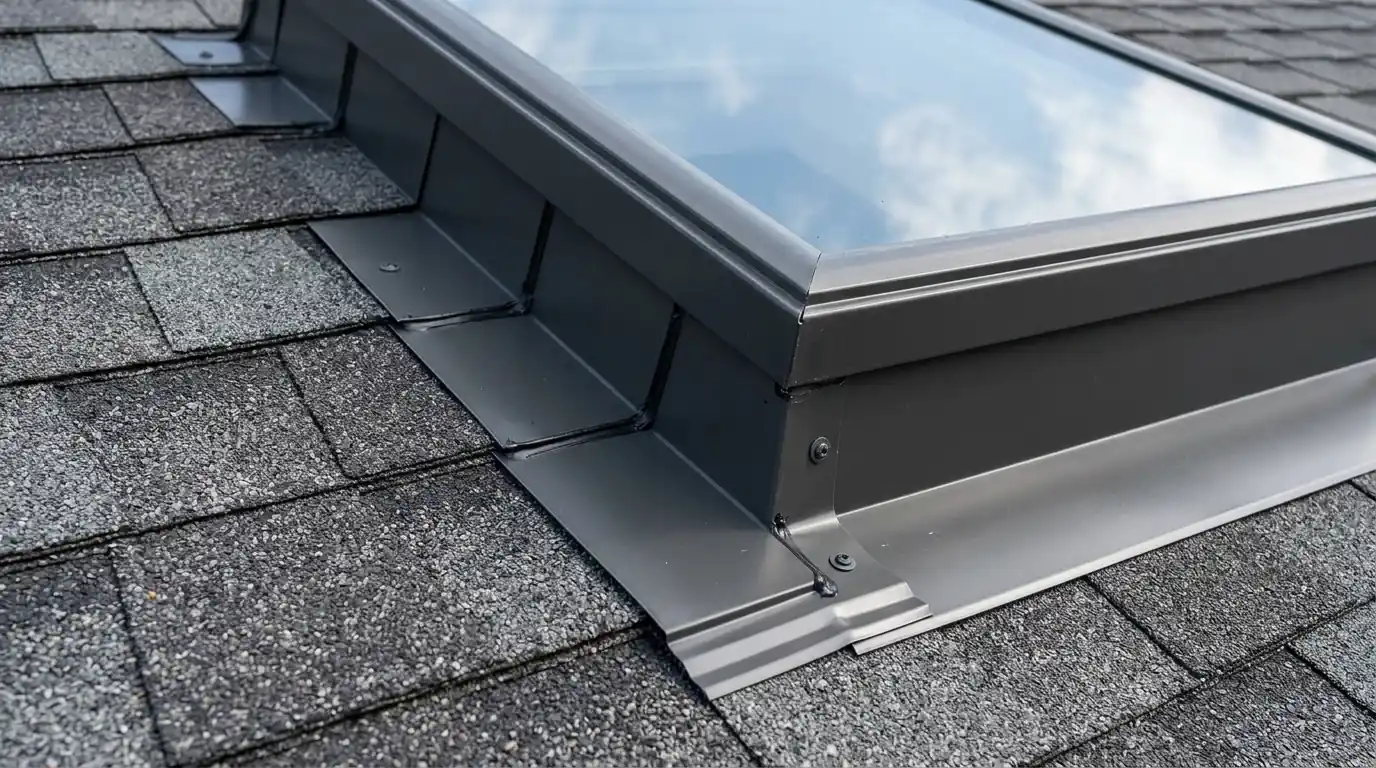
We check chimney, wall and vent flashing, and reseal any counterflashing or exposed joints where the sealant has cracked. If flashing is bent or rusted through, we note it for a proper flashing repair.
Replace cracked pipe boots and vent seals
Rubber pipe boots often split in our sun and cold within 10 to 15 years. We replace cracked ones on the spot when we have the size on the truck.
Fix loose and missing shingles
We reseal lifted tabs, replace a few missing or cracked shingles, and drive or replace any nails that have backed out and pushed up into the shingle above.
Check the attic from inside
On each visit we look in the attic for new stains, damp insulation or frost buildup. A slow leak caught here costs a fraction of one found through the ceiling.
Update your photo record
We photograph the same slopes and details every time and send a dated report with notes on what changed and what to budget for next.
Typical roof maintenance costs for Dayton-area homes
Prices depend on roof size, pitch and how much small repair work turns up. These are typical local ranges for 2026.
| Job | Typical range | What it covers |
|---|---|---|
| Single maintenance visit, shingle roof | $235 to $485 | Debris clearing, flashing reseal, minor fixes, photo report |
| Two visits per year, spring and fall | $395 to $780 | Seasonal checks with dated photos each visit |
| Pipe boot replacement during a visit | $95 to $215 | Per boot, depends on size and access |
| Moss and algae treatment | $315 to $690 | Low-pressure wash with roof-safe cleaner, zinc strip option |
| Flat or low-slope section upkeep | $265 to $585 | Drain clearing, seam checks, small patches |
Ranges are typical for the Dayton area and depend on roof size, access and condition; we confirm pricing before any visit. See more on our Dayton roofing price guide.
- Roof pitch and heightSteep, tall roofs require more safety gear and slow the work.
- Tree coverHeavy leaf and seed buildup can double the cleaning time in valleys and gutters.
- Number of penetrationsMore chimneys, vents and skylights mean more flashing to check and reseal.
- Repairs foundSmall fixes are often included; bigger ones are priced before we start.
- Roof materialSlate and tile take more care to walk and service than asphalt.
Where regular roof upkeep matters most in the Miami Valley
Tree cover drives a lot of our maintenance work. Streets in Oakwood and the Dayton View neighborhoods sit under tall oaks and maples that drop leaves and branches on roofs every fall, and many of those homes have slate or tile with metal valleys that clog easily. In Kettering, the trees planted when the postwar ranches went up now tower over low-pitch roofs that drain slowly.
Newer neighborhoods have different needs. Homes in Springboro and Centerville from the 1990s and 2000s are reaching the age where original pipe boots crack and the first sealant joints fail. Rental owners across Dayton's older neighborhoods use maintenance visits to keep tabs on roofs they rarely see. Wherever you live, our freeze-thaw winters and humid summers wear on the same weak points, and a scheduled visit catches them on your timeline instead of the weather's.
Where we do roof maintenance most often
These neighborhoods, suburbs and cities make up most of our roof maintenance calls. Each link opens the local page with its ZIP.
Questions about roof maintenance in Dayton
Is roof maintenance worth it on a roof that's only five years old?
A light check every couple of years is worth it, especially under trees. New roofs rarely need much work, but debris in valleys and a cracked boot can show up early. The bigger benefit is the photo baseline, which makes storm damage easier to prove later. Yearly visits make more sense once the roof passes ten years.
Do you clean gutters as part of a roof maintenance visit?
Yes. Clearing gutters and flushing downspouts is part of every visit, since a clogged gutter backs water under the roof edge and rots the fascia. If your gutters are sagging, leaking at the seams or pulling away from the house, we note it in the report and can price that repair separately.
Can regular maintenance help keep my shingle warranty valid?
Manufacturer warranties usually exclude damage from neglect or improper work, like pressure washing or unvented attics. Regular visits with dated photos give you a record that the roof was cared for. Each manufacturer's terms differ, so read yours, and on new roofs we register eligible warranties where the product allows.
How do you treat moss on a shaded north-facing Dayton roof?
We apply a roof-safe cleaner at low pressure, let it work, and rinse gently so we don't strip granules. Moss tends to return on shaded north slopes, so we often suggest a zinc strip near the ridge, which releases trace metal with each rain and slows regrowth. Trimming overhanging branches helps the most.
What happens if a maintenance visit turns up a bigger problem?
We stop, photograph it, and call you before doing anything beyond the small fixes we agreed on. You get a description, a typical price range and our honest view of how urgent it is. If it's an active leak, we can tarp it the same day while you decide on the permanent fix.
Do you maintain flat roofs on Dayton duplexes and small buildings?
Yes. Flat and low-slope roofs need drains and scuppers cleared, seams checked, and small blisters or punctures patched before they spread. We look for ponding after rain and note membrane aging in the report. Twice a year works well for most small buildings around Dayton, with one visit after leaf drop.
How long does a maintenance visit take on a two-story Dayton home?
Most two-story homes take two to three hours, depending on tree cover, the number of chimneys and skylights, and how many small fixes turn up. A single-story ranch with clean gutters can wrap up in about ninety minutes. You don't need to be home for the roof work, though we do need attic access for the inside check.
Other roofing work that often goes with this job
Product lines we install on roofs around Dayton include shingles from GAF, Owens Corning and CertainTeed, metal from Englert, membranes from Carlisle SynTec and skylights from VELUX.
Need roof maintenance today?
Call any hour. A person answers, asks a few questions and sets a time for a roofer to come out.