Cedar Shake Roofing in Dayton, OH, Installed to Breathe
We install and repair cedar shake and cedar shingle roofs with stainless fasteners and a ventilated underlayer so the wood can dry between Ohio rains. Every visit ends with a photo report, and a person answers 24/7.
- Answered 24/7
- Photo report on every visit
- Dayton and the Miami Valley
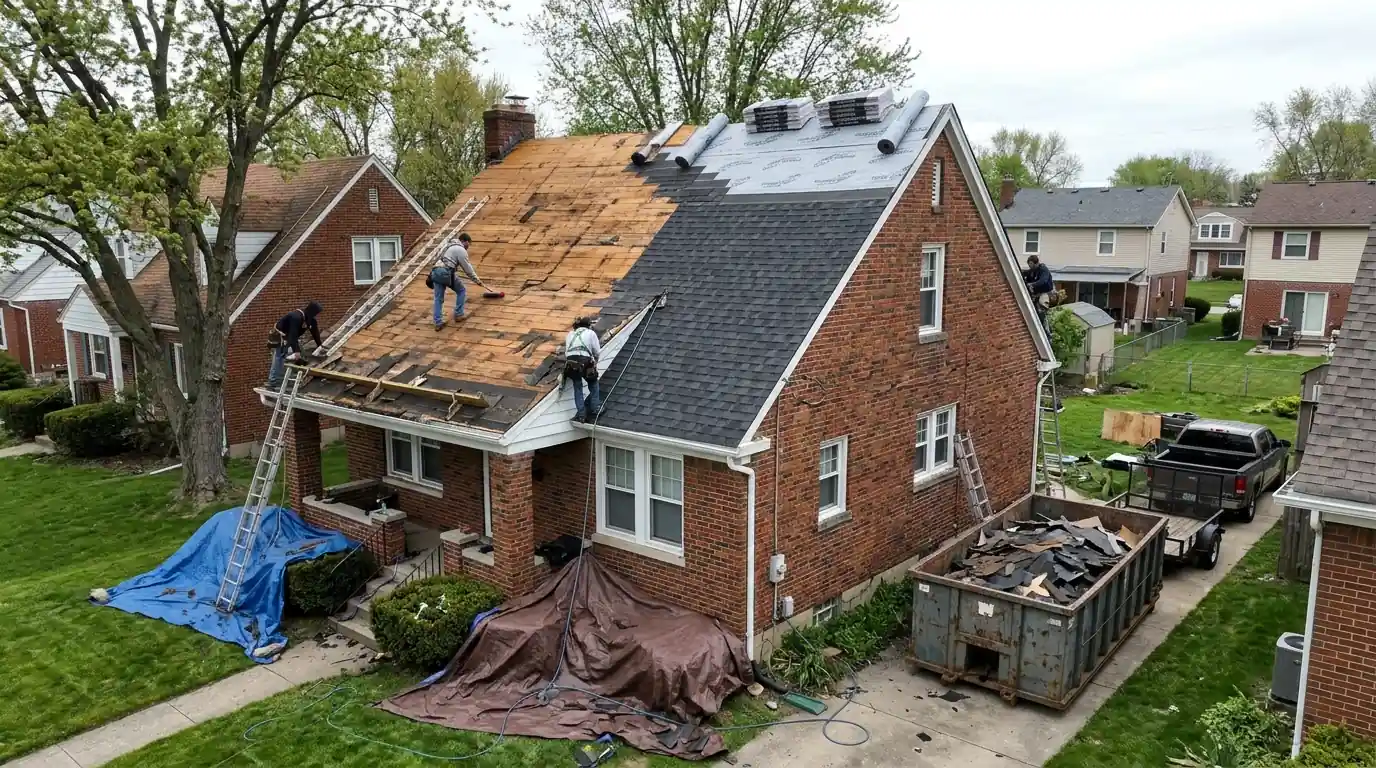
A new cedar shake roof around Dayton typically costs $11.20 to $17.80 per square foot installed, with taper-sawn cedar shingles a little less at $10.40 to $15.90. Repairs that replace split or cupped shakes usually run $435 to $1,180 per visit. Wood grade, thickness, fire treatment, roof complexity and tear-off conditions decide the final price.
Cedar is the most alive roofing material we work with. It swells when wet, shrinks when dry, weathers from honey-brown to silver gray, and lasts a long time if it can breathe. It fails early when it can't. Most of the tired cedar roofs we see in the Miami Valley weren't worn out by age so much as by moisture: shakes laid tight over solid decking with no airflow, shaded by trees, and never cleaned.
We build cedar roofs to dry. That means either spaced skip sheathing or a ventilated mat between the wood and the deck, interlayment on shake roofs, stainless steel nails that won't stain or rust, and spacing between each shake so it can expand. We also repair older cedar roofs, replacing split and cupped shakes, rebuilding ridges and cleaning off moss, and we'll tell you plainly when a cedar roof has reached the point where repair is no longer worth it.
Hand-split shakes or taper-sawn shingles: the look and the lifespan
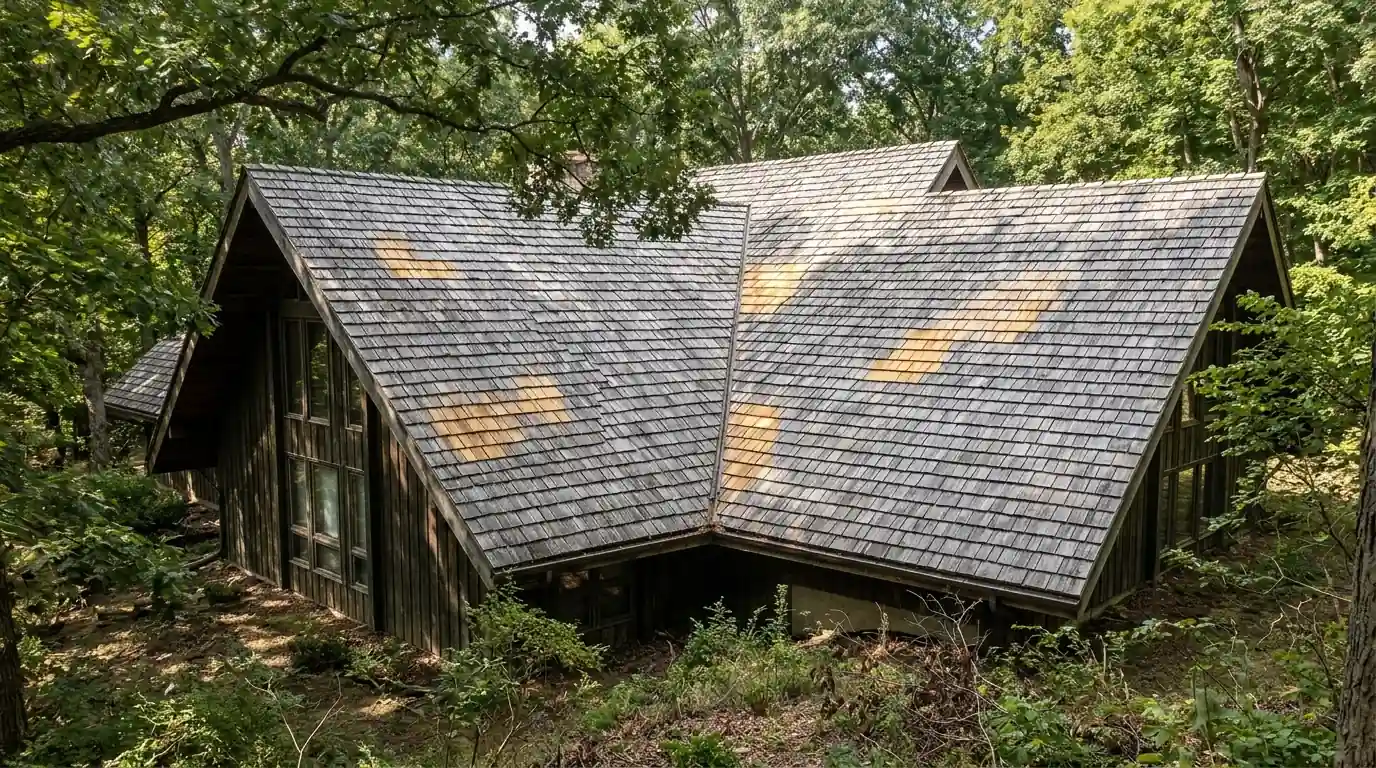
People often use shake and shingle as the same word, but in cedar they're different products. Shakes are split from the log, by hand or machine, and are thick with a rough, textured face. Resawn shakes are split on one side and sawn on the back. Shakes give a rugged, deep-shadowed look that suits rustic, craftsman and some colonial houses.
Cedar shingles are sawn on both faces, tapered and thinner, with a smooth, tailored look. They're often used on colonial and cottage-style homes and on sidewalls as well as roofs.
Both can last a long time in Ohio if installed to breathe and kept clean. Thickness matters more than type: thin pieces weather through faster. Grade matters too. All-heartwood, edge-grain cedar resists rot and cupping better than flat-grain or sapwood pieces.
- Hand-split shakes: thickest, roughest, deepest shadow lines
- Resawn shakes: split face, sawn back, a bit more uniform
- Taper-sawn shingles: smooth, thinner, tailored appearance
Keeping cedar healthy in a humid, shaded Miami Valley yard
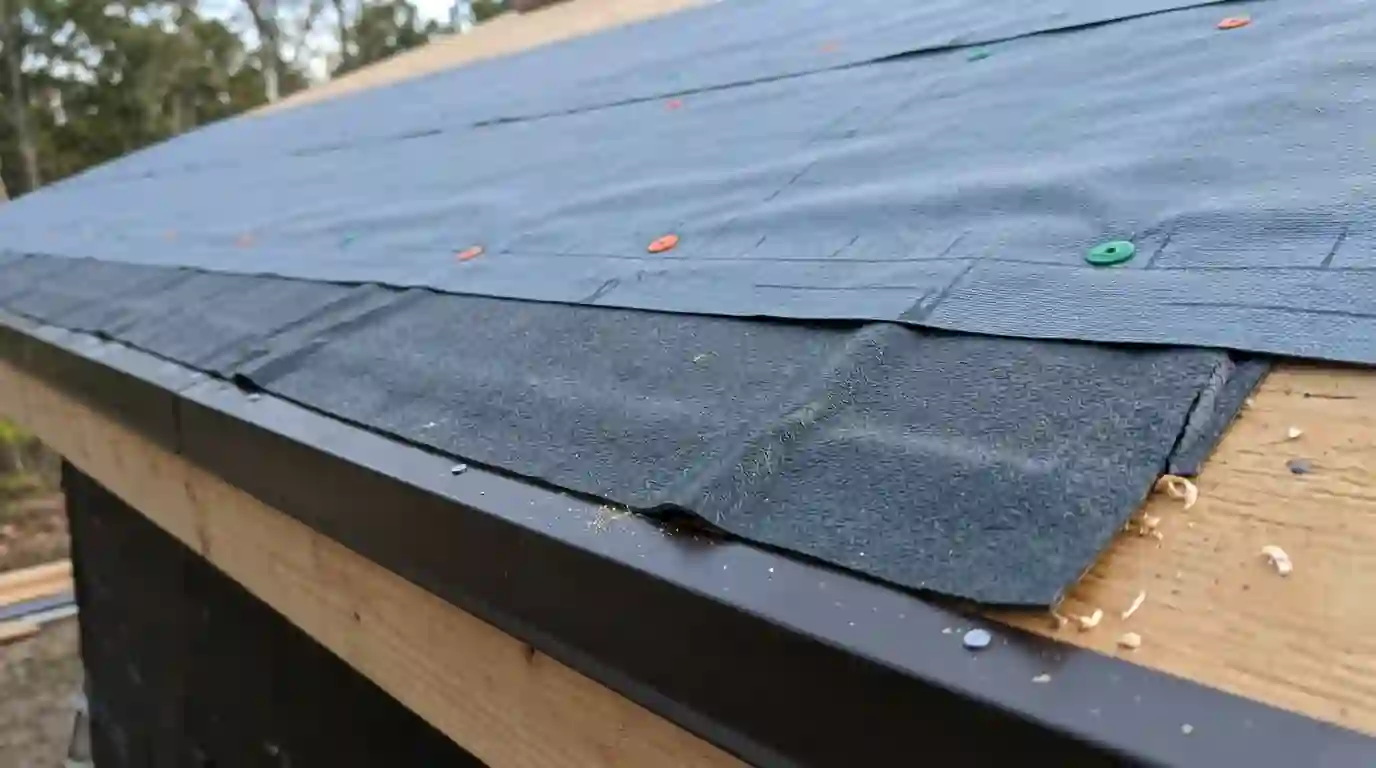
Cedar's natural oils resist rot, but they leach out over time and Ohio humidity gives moss and algae plenty of chances. Shaded roofs under oaks and maples stay damp longer after rain, and that dampness is what shortens cedar's life.
Routine care makes a big difference. Keep branches trimmed back so sun and air reach the roof. Clear leaves and needles out of valleys and keyways. Have moss removed gently, never with high-pressure washing, which tears up wood fibers. Many owners have a preservative treatment applied every few years, depending on exposure and product. Our roof maintenance visits can include cedar cleaning, treatment and minor repairs.
A strip of copper or zinc along the ridge helps too. Rain washes small amounts of metal down the slope, which discourages moss on the courses below. It works best on the upper part of the roof and is less effective far from the ridge, so it supplements cleaning rather than replacing it.
At some point, a cedar roof wears past repair. If you love the look but not the upkeep, synthetic shake is an alternative. Our synthetic slate and shake page covers that option, and good attic ventilation helps any roof dry out from below.
Cedar shake roof prices typical for Dayton-area homes
These Dayton-area ranges cover new installations and common repairs. Grade and treatment change pricing noticeably.
| Job | Typical range | What it covers |
|---|---|---|
| New cedar shake roof | $11.20 to $17.80 per sq ft | Hand-split or resawn shakes, breathable base, stainless nails |
| New taper-sawn cedar shingle roof | $10.40 to $15.90 per sq ft | Thinner, smoother cedar shingles |
| Repair visit, split or cupped shakes | $435 to $1,180 | Replace damaged shakes, reset flashing, local repairs |
| Cleaning and preservative treatment | $0.85 to $1.65 per sq ft | Remove moss and debris, apply preservative |
| Ridge rebuild | $14.80 to $27.40 per linear ft | New cedar ridge caps, often with ridge vent |
These are typical ranges for the Dayton area and are for planning. We price each cedar roof after inspecting the existing roof and deck. See more on our Dayton roofing price guide.
- Shakes or shinglesHand-split shakes are thicker and rougher with more shadow, and cost more. Taper-sawn shingles are smoother and slightly less expensive.
- Grade and thicknessTop-grade, all-heartwood, edge-grain cedar lasts longest and costs more. Thicker pieces resist weathering and splitting better.
- Fire and preservative treatmentFire-retardant or preservative-treated cedar costs more but can extend life and may be required in some locations.
- Breathable baseSkip sheathing or ventilated mats add materials and labor but are key to long cedar life in a humid climate.
- Roof complexity and accessDormers, valleys and steep pitches add time. Tight lots and heavy tree cover can slow material handling and cleanup.
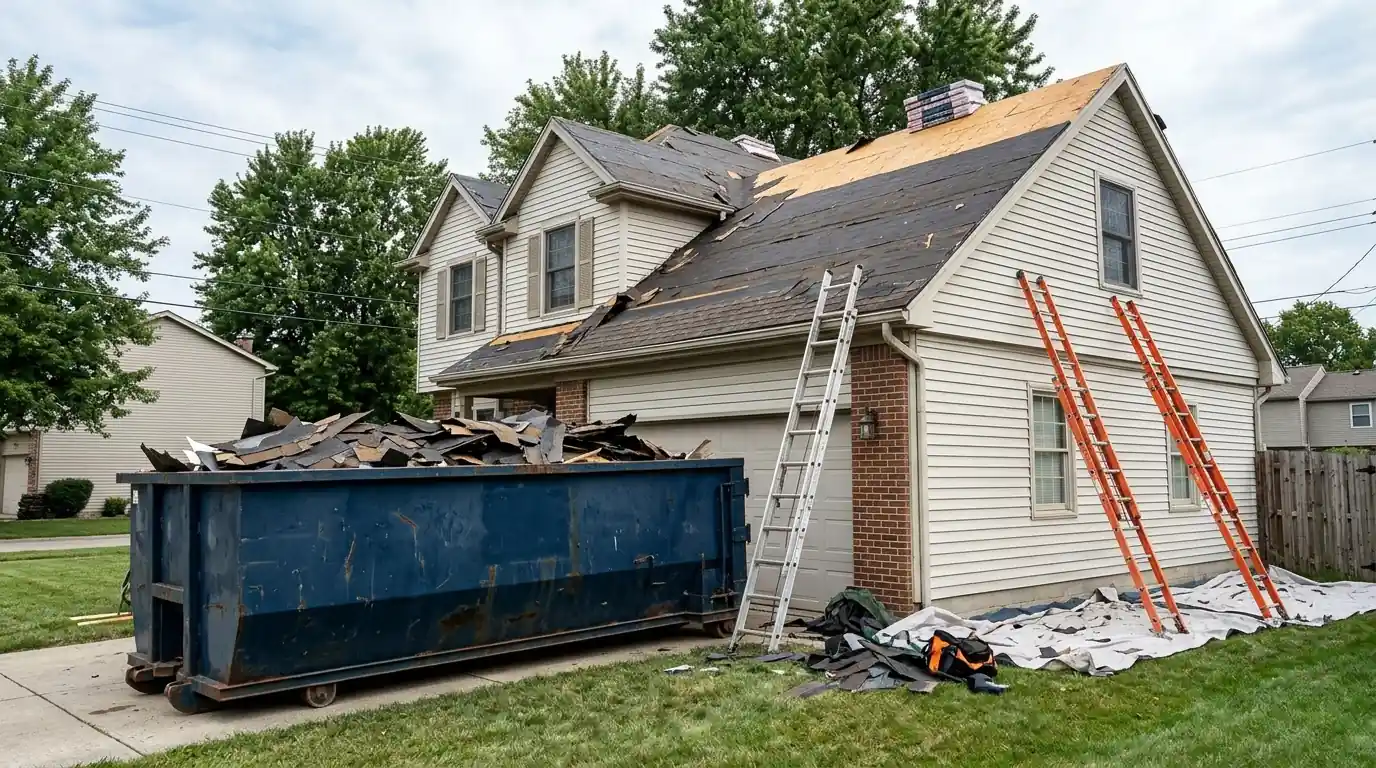
How we install cedar so it dries out after every Ohio rain
Cedar roofs depend on airflow and the right fasteners. Here's our approach.
Choose shakes or shingles, grade and treatment
We explain the difference between hand-split or resawn shakes and taper-sawn shingles, show you grades, and discuss fire-retardant and preservative-treated options. Thickness and exposure affect both look and lifespan.
Tear off and prepare a breathable base
After tear-off, we install spaced skip sheathing or a ventilated underlayment mat over solid decking. Both let air move behind the cedar so it dries between rains.
Install ice barrier and interlayment
Ice barrier goes at eaves and valleys. On shake roofs, strips of interlayment go between courses to block wind-driven snow and rain while still allowing airflow.
Lay courses with spacing and stainless nails
Each shake gets two stainless steel nails at the right height, with gaps between pieces so they can swell. Joints are offset course to course so water never runs straight through.
Flash valleys, walls and chimneys
Valleys get wide metal valley flashing, and walls and chimneys get step flashing and counterflashing. Cedar's acids can corrode some metals, so we choose compatible flashing materials.
Build the ridge and photograph the roof
Ridge caps are cut and fastened to overlap correctly, often over a ridge vent. We photograph the finished roof and register material warranties where the product allows it.
Signs your cedar roof needs repair, cleaning or replacement
Cedar ages visibly, and most problems are easy to spot from the ground with binoculars.
Moss and lichen on shaded slopes
Green growth holds moisture against the wood, keeps it from drying and speeds rot. North slopes under trees are almost always first.
Split, cupped or curled shakes
Shakes that split through, cup upward, or curl at the butt let water reach the layer below and catch wind.
Thin, eroded shakes near the butts
Years of weathering wear cedar thinner, especially on south and west slopes. Very thin shakes break easily and leak.
Dark, soft or punky spots
Wood that's dark, soft or crumbles when probed is rotting. Small areas can be patched, but widespread rot points to replacement.
Missing or broken ridge pieces
Ridge caps take the most weather. Once they split or blow off, water drops directly into the top courses.
Leaks at chimneys, valleys and walls
Flashing in cedar roofs often outlasts the wood or fails before it. Either way, leaks at these spots need flashing work.
Where cedar roofs still turn up around Dayton
Cedar was never as common in the Miami Valley as asphalt or slate, but it shows up in pockets. Many homes built in the 1970s and 1980s in Centerville and Washington Township used cedar shakes on contemporary, rustic and traditional designs, and some still have them, or have had them replaced in recent years.
Wooded lots in and around Bellbrook and the Little Miami River valley also have cedar on homes designed to blend with the trees. Those same trees create the shade and debris that make cedar harder to keep healthy. Moss, needles and leaves pile up in valleys and on north slopes.
The local climate is the main challenge. Humid summers feed moss and algae. Freeze-thaw cycles in winter crack weakened shakes. Spring hail can split older, drier cedar. A well-built, breathable cedar roof with stainless fasteners handles all of that better than a tight, poorly vented one. We see many older cedar roofs that would have lasted longer with better ventilation and routine cleaning.
Where we do cedar shake roofing most often
These neighborhoods, suburbs and cities make up most of our cedar shake roofing calls. Each link opens the local page with its ZIP.
Questions about cedar shake roofing in Dayton
How long does a cedar shake roof last on a shaded Dayton lot?
It depends heavily on installation, grade and maintenance. On shaded lots with poor airflow and no upkeep, cedar can wear out much sooner than expected. A breathable install, thicker heartwood shakes, trimmed trees and periodic cleaning help a cedar roof reach its full life. We'll look at your roof's exposure and give you a realistic outlook.
Why do cedar shakes need spaced sheathing or a vented mat underneath?
Cedar needs to dry out after rain. Laying it tight over solid decking traps moisture beneath, which speeds rot and cupping. Spaced skip sheathing or a ventilated underlayment mat creates a gap so air moves behind the wood. That airflow is one of the biggest factors in cedar lifespan.
Can I pressure wash moss off my cedar roof?
We don't recommend it. High-pressure washing tears up wood fibers and shortens the life of the shakes. Gentle cleaning with soft brushes and a cleaner made for cedar removes moss without damaging the wood. Afterward, a preservative treatment can help slow regrowth.
Is fire-treated cedar worth the extra cost on an Ohio home?
Fire-retardant treated cedar costs more but can improve fire resistance, and some insurers or local rules may favor it. It's worth asking your insurance agent whether treated cedar affects your premium or coverage. We'll show you treated and untreated options with pricing so you can decide.
Can new cedar shakes go right over my old asphalt shingles?
We don't recommend it. Cedar laid over asphalt has no airflow behind it, so it stays damp and rots early, and the old shingles hide any deck problems. A proper cedar roof starts with tear-off, a sound deck, and either skip sheathing or a ventilated mat so the wood can dry after every rain.
Can you replace a few split shakes without redoing the whole cedar roof?
Yes. We remove the damaged shakes, slide in new ones of matching thickness and length, and fasten them so the nails stay hidden under the course above. New cedar will look lighter at first but weathers toward the gray of the roof over time. If many shakes are failing, we'll tell you whether patching still makes sense.
Other roofing work that often goes with this job
Synthetic Slate & Shake Roofing
Roof Replacement & New Roofs
See synthetic slate & shake roofingRoof Maintenance
Inspections, Ventilation & Skylights
See roof maintenanceAttic Ventilation
Inspections, Ventilation & Skylights
See attic ventilationRoof Replacement
Roof Replacement & New Roofs
See roof replacement
Product lines we install on roofs around Dayton include shingles from GAF, Owens Corning and CertainTeed, metal from Englert, membranes from Carlisle SynTec and skylights from VELUX.
Need cedar shake roofing today?
Call any hour. A person answers, asks a few questions and sets a time for a roofer to come out.