Impact-Resistant Shingles in Dayton, OH for Hail-Prone Roofs
We install UL 2218 Class 4 impact-rated shingles and hand you the wrapper labels, invoices and photos your insurance agent may ask for. Call any hour to compare lines; a person answers 24/7.
- Answered 24/7
- Photo report on every visit
- Dayton and the Miami Valley
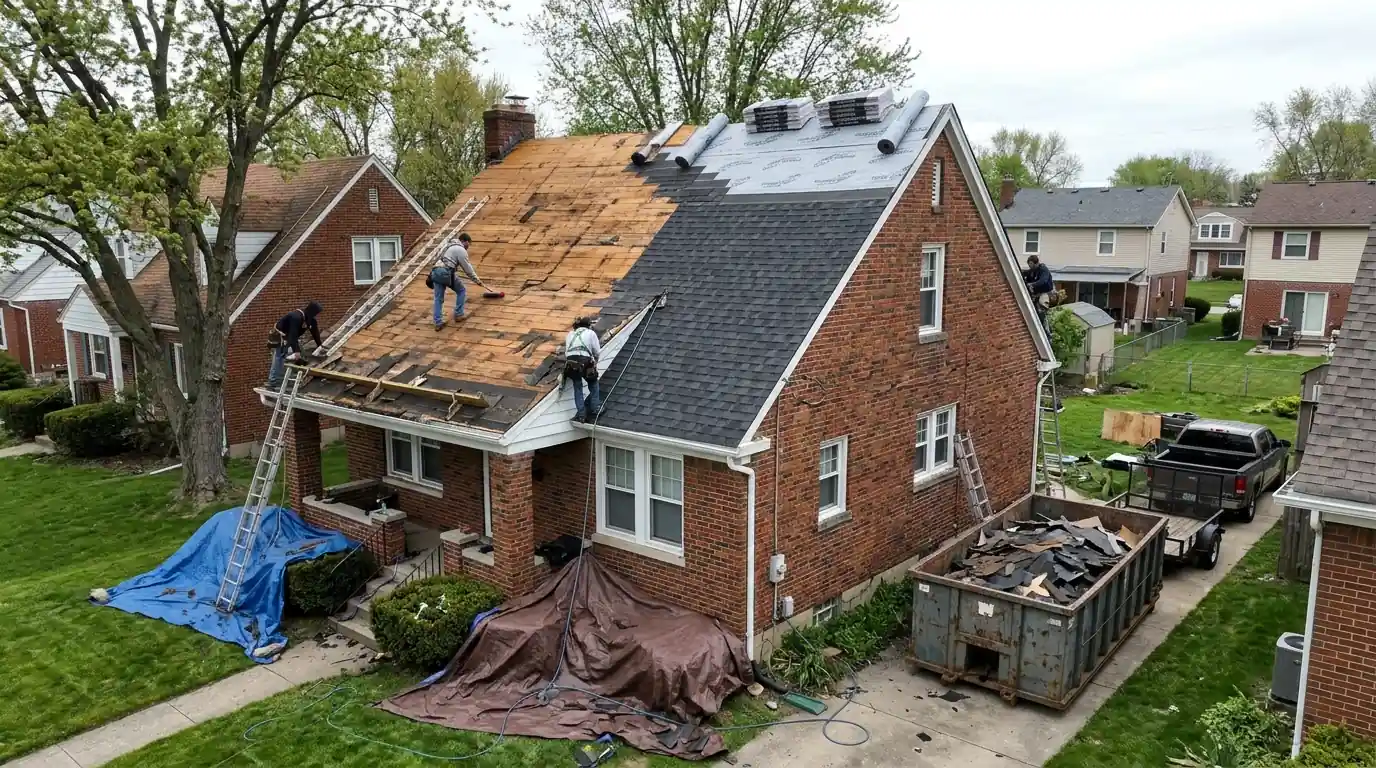
Class 4 impact-resistant shingles around Dayton typically run $585 to $865 per square installed, or roughly $2,170 to $4,690 more than standard architectural shingles on an average house. They're tested to UL 2218, which drops a 2-inch steel ball from 20 feet onto the same spot twice. Some insurers offer a premium credit for them, but not all do.
If you've filed a hail claim on your roof once, there's a good chance you'll file again. Spring storms rolling across the Miami Valley drop hail often enough that a twenty-year shingle can face several damaging storms before it wears out. Impact-resistant shingles don't make a roof hail-proof, but they're built to take hits that would crack or bruise a standard shingle. The question isn't whether they're tougher. It's whether the extra cost pays back on your house, with your policy, over the years you plan to stay.
The label that matters is UL 2218 Class 4, the top rating in that test. Most Class 4 shingles use either a rubberized SBS-modified asphalt that flexes under impact or a reinforced mat that resists fracture. They look like regular architectural shingles from the street. We'll show you two or three lines, explain how each one earns its rating, and keep every wrapper label and invoice so you can prove what's on your roof later. Pair this page with our guide to hail damage on Dayton shingles for the bigger picture.
What UL 2218 Class 4 actually tests, and what it doesn't
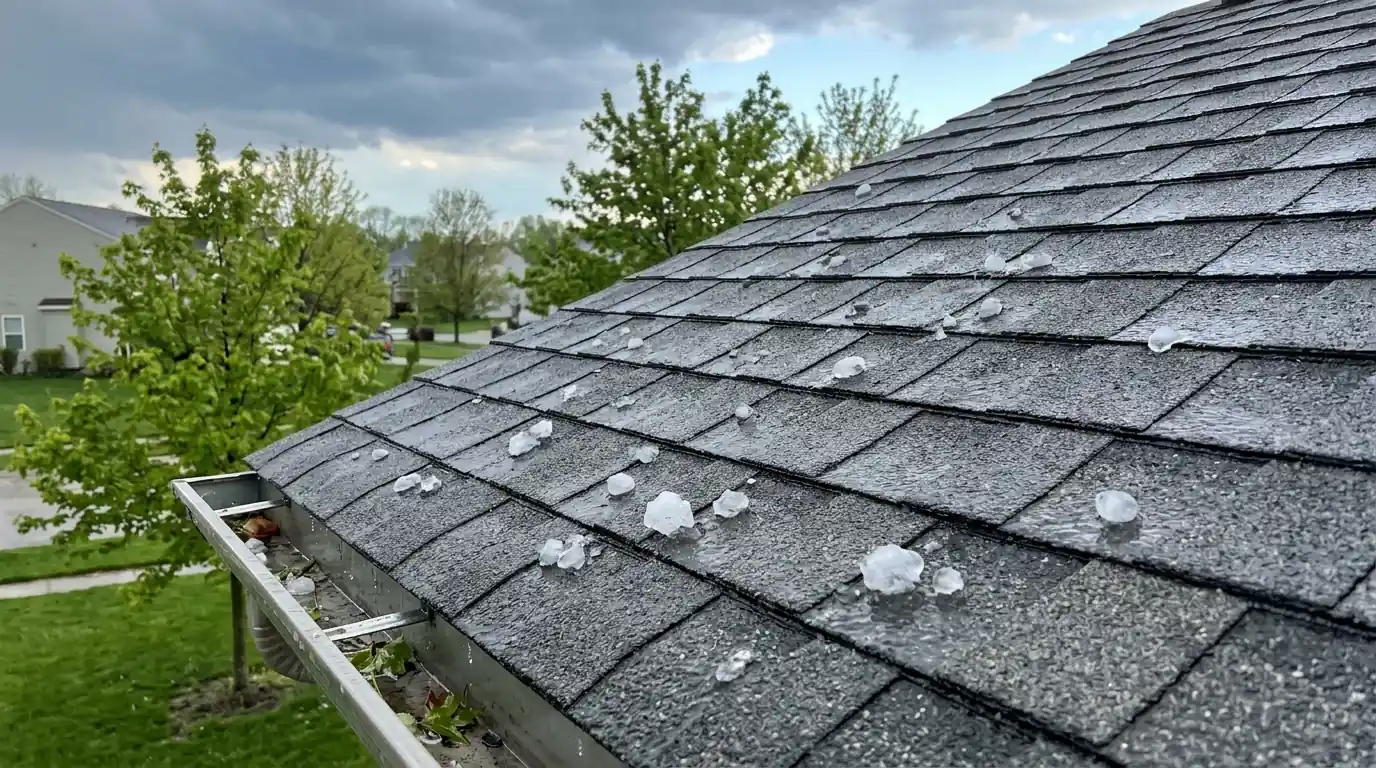
UL 2218 is a lab test where steel balls of increasing size are dropped onto shingle samples installed on a test deck. To earn Class 4, the shingle has to survive a 2-inch ball dropped from 20 feet, twice in the same spot, without cracking through to the back. Lower classes use smaller balls from lower heights.
That's a meaningful test, but it's not real hail. Real hailstones vary in density and shape and often arrive with strong wind. A Class 4 shingle can still show bruising, granule loss or cosmetic dents after a severe storm. Some newer test standards use ice balls instead of steel to better mimic real conditions, and a few manufacturers list both ratings.
Class 4 means the shingle is far tougher than a standard one. It doesn't mean you'll never have a hail claim again. We say that plainly so you can decide based on real odds, not marketing.
- Class 4: 2-inch steel ball from 20 feet, two strikes per spot
- Lower classes: smaller balls dropped from lower heights
- Pass means no crack through the shingle, not zero marks
How to ask your insurer about a possible Class 4 discount
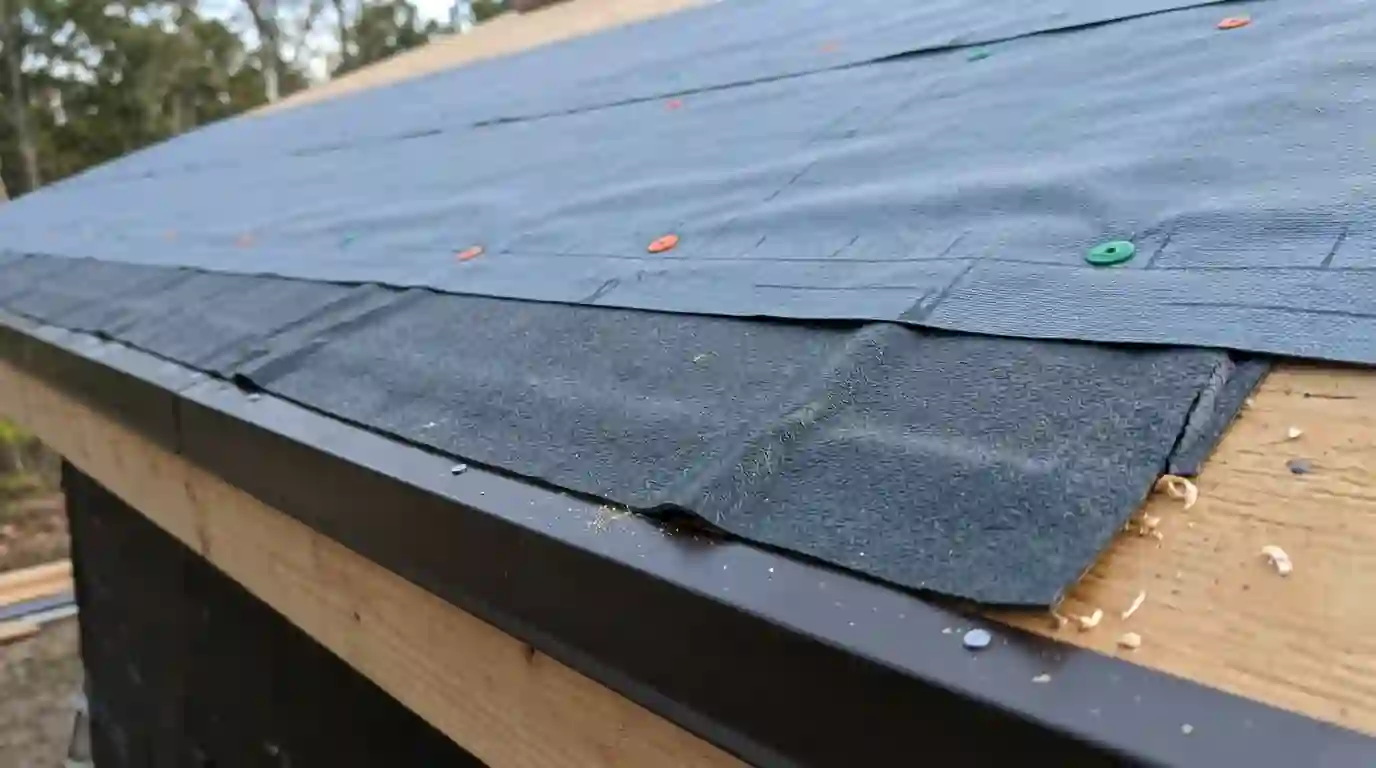
Some insurance carriers in Ohio give a premium credit for impact-rated roofs, and some don't. The amount, if any, varies by company and policy. We can't promise a discount, and nobody installing roofs should. What we can do is help you get a straight answer before you spend the money.
Call your agent and ask three questions. Does the carrier offer a credit for a UL 2218 Class 4 roof? What proof do they need, such as a product label, invoice, or an inspection? Does the policy have any cosmetic damage exclusion that would affect how hail claims are handled on an impact-rated roof? Some policies exclude dents that don't affect function, which matters for metal and for some Class 4 shingles.
Get the answers in writing if you can. Then compare the upgrade cost against any credit and your deductible. If you're replacing after a storm, our insurance claim roof inspection documents existing damage, and our hail damage roof repair page covers smaller fixes when replacement isn't needed.
What Class 4 impact-rated shingles typically cost around Dayton
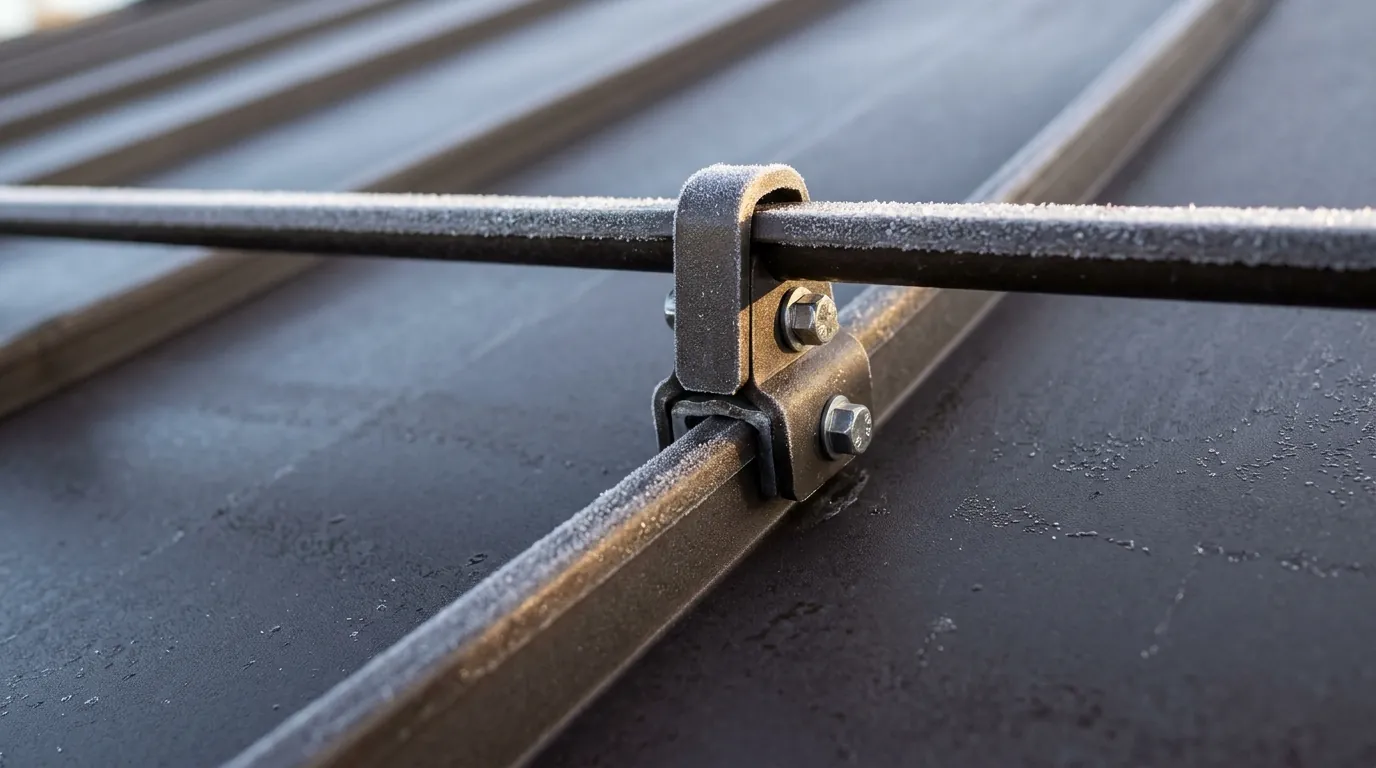
Typical Dayton-area ranges for complete installs with tear-off. Your price depends on roof size, pitch and the line you choose.
| Job | Typical range | What it covers |
|---|---|---|
| Class 4 architectural shingles, installed | $585 to $865 per square | Tear-off, underlayment, ice barrier, matching starter and ridge |
| Typical whole house, 20 to 26 squares | $13,960 to $23,480 | Single-layer tear-off, standard pitch |
| Upgrade cost over standard architectural | $2,170 to $4,690 | Difference on an average-size house |
| Class 4 designer or shake-look lines | $795 to $1,140 per square | Heavier profile with impact rating |
| Impact-rated ridge cap only | $8.40 to $13.90 per linear foot | When the field shingles already carry the rating |
These are typical ranges for the Dayton area and are not a quote. Any insurance credit is decided by your carrier, not by us. See more on our Dayton roofing price guide.
- SBS versus reinforced shingleSBS-modified lines often cost a bit more and are heavier. Reinforced-mat lines can be slightly cheaper but handle differently in cold weather.
- Roof size and pitchThe per-square premium is fixed, so larger roofs see a bigger dollar difference. Steep roofs add labor as with any shingle.
- Insurance timingIf an insurer is paying for a storm replacement, some homeowners pay only the upgrade difference out of pocket. How that's handled depends on your policy and carrier.
- Deck conditionRotten decking has to go before installing a premium shingle. Replacement sheets are priced separately after tear-off.
- Accessory upgradesImpact-rated ridge caps, starter and pipe boots cost more than standard ones but keep the whole roof at the same level of protection.
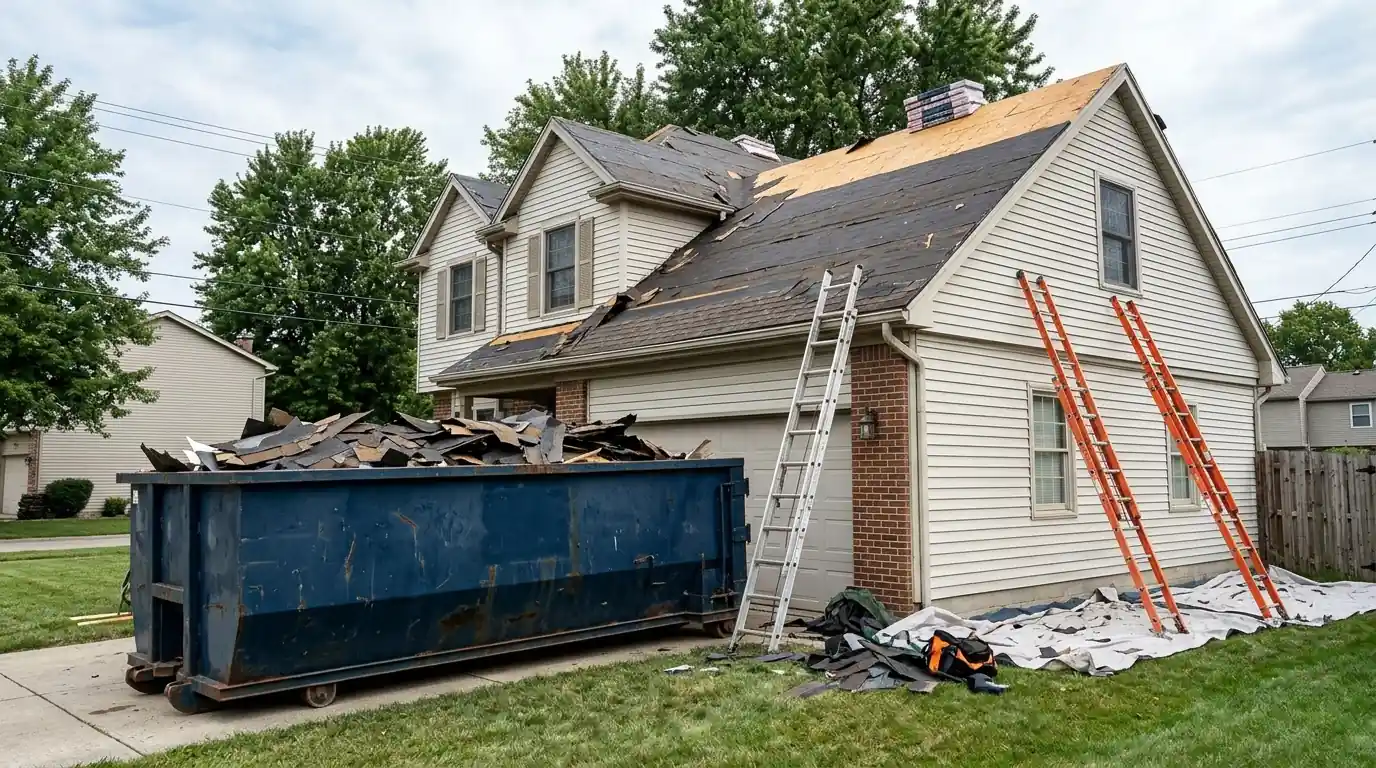
How we spec and install a Class 4 roof so the rating holds up
The rating only means something if the shingle is installed correctly and you can prove what went on. Our sequence covers both.
Talk to your agent before you order
We suggest you call your insurance agent first and ask whether they credit Class 4 roofs and what proof they need. That answer can change which line makes sense for your budget.
Compare SBS and reinforced-mat lines
We bring samples of both types. SBS shingles flex and absorb impact, while reinforced shingles resist puncture through a tougher mat. Both carry Class 4 ratings, but they feel and handle differently.
Tear off and inspect the deck
A Class 4 shingle needs a solid deck behind it. Soft or delaminated sheets let hail dent the shingle into the wood, so our crew replaces any bad decking before the new roof goes on.
Install the full matched system
We use the manufacturer's starter, hip and ridge caps, and underlayment so accessories hold up to impacts too. A Class 4 field with standard ridge caps leaves the most exposed shingles on the roof unprotected.
Save labels, invoices and photos
We photograph bundle wrappers showing the UL 2218 Class 4 marking and keep them with your invoice. You get a packet to forward to your agent, and we register the manufacturer warranty where the product allows.
Walk the finished roof with you
We go over the roof with you and send a full photo report. After the first big hailstorm, we can come back and document how the shingles held up for your records or a claim.
Homeowners who get the most from a Class 4 shingle upgrade
Class 4 shingles cost more, so they make the most sense in these situations.
You've had a hail claim in the last ten years
If your area has been hit before, the extra cost of Class 4 often looks small next to another deductible and another tear-off.
Your insurer offers a credit for impact-rated roofs
Some carriers reduce premiums for Class 4 roofs. If yours does, the credit can offset part of the upgrade over the years you own the house.
Your policy has a high or percentage-based wind and hail deductible
When you're covering a bigger share of hail damage yourself, a tougher roof protects your own money more directly.
You plan to stay in the home ten years or more
The longer you own the roof, the more storms it faces and the more chances the upgrade has to pay for itself.
Your house sits open to west and southwest storms
Homes on open lots, hilltops or edges of farm fields take hail at a sharper angle with less tree cover to slow it.
You want SBS flexibility in cold weather
Rubberized SBS shingles stay more pliable in cold snaps, which can help them resist cracking from foot traffic and wind lift in winter.
Why hail keeps finding roofs east and north of Dayton
Spring and early summer thunderstorms move across the Miami Valley mostly from the west and southwest, and hail swaths often follow the I-70 and I-675 corridors. Hail can land anywhere in the region, but suburbs along those routes, like Beavercreek and Vandalia near the airport, get their full share of spring storms, and plenty of homes there have already had a roof replaced after one.
Further east in Greene County, Xenia and the surrounding townships have plenty of open ground with little tree cover to slow falling hail. Houses on farm edges, open lots and hilltops take the hardest hits. Newer subdivisions with young trees are similarly exposed for their first couple of decades.
Hail isn't the only reason homeowners here pick Class 4. The same storms that bring hail bring straight-line wind, and the tougher shingles tend to hold their tabs better. Winter matters too: SBS shingles stay flexible when a January cold snap would make standard shingles brittle. Between spring hail, summer wind and freeze-thaw winters, the Dayton area puts a roof through a lot, and an impact-rated shingle gives it more margin.
Where we do impact-resistant shingles most often
These neighborhoods, suburbs and cities make up most of our impact-resistant shingles calls. Each link opens the local page with its ZIP.
Questions about impact-resistant shingles in Dayton
Will Class 4 shingles lower my homeowners insurance premium in Ohio?
Possibly. Some carriers offer a credit for UL 2218 Class 4 roofs, and others don't offer anything. The amount varies by company and policy. Ask your agent before you order, find out what proof they want, and get the answer in writing. We provide labels, invoices and photos to support whatever your carrier asks for.
Can I tell an impact-resistant shingle apart from a regular one from the street?
Usually not. Most Class 4 lines look like standard architectural shingles in profile and color. The difference is inside the shingle: a rubberized asphalt blend or a reinforced mat. That's why we save the bundle wrapper labels and invoices, so you can prove the rating later to an insurer or a buyer.
Do impact-resistant shingles still get damaged in big Dayton hailstorms?
They can. Very large or dense hail, especially with strong wind, can bruise or scuff even a Class 4 shingle. They hold up far better than standard shingles in the same storm, and functional damage is less likely. After a major storm, we can inspect and document how your roof held up.
Is SBS-modified or reinforced-mat the better Class 4 shingle for Ohio?
Both carry the same Class 4 rating, and both work here. SBS shingles stay more flexible in cold weather and handle foot traffic and thermal movement well. Reinforced-mat shingles are often a little less expensive. We'll bring samples of each, so you can compare feel, weight and color before choosing.
If my insurer pays for a storm roof, can I pay the difference to upgrade to Class 4?
In many cases you can. The insurer typically pays for replacement with like kind and quality, and you cover the extra cost of the upgrade. How that's handled depends on your carrier and policy, so confirm with your adjuster. We'll write the estimate showing the standard and upgrade lines separately so the math is clear.
Other roofing work that often goes with this job
Hail Damage Roof Repair
Roof Repair & Storm Damage
See hail damage roof repairAsphalt Shingle Roofing
Roof Replacement & New Roofs
See asphalt shingle roofingInsurance Claim Roof Inspection
Inspections, Ventilation & Skylights
See insurance claim roof inspectionRoof Replacement
Roof Replacement & New Roofs
See roof replacement
Product lines we install on roofs around Dayton include shingles from GAF, Owens Corning and CertainTeed, metal from Englert, membranes from Carlisle SynTec and skylights from VELUX.
Need impact-resistant shingles today?
Call any hour. A person answers, asks a few questions and sets a time for a roofer to come out.